Bachelor Groups
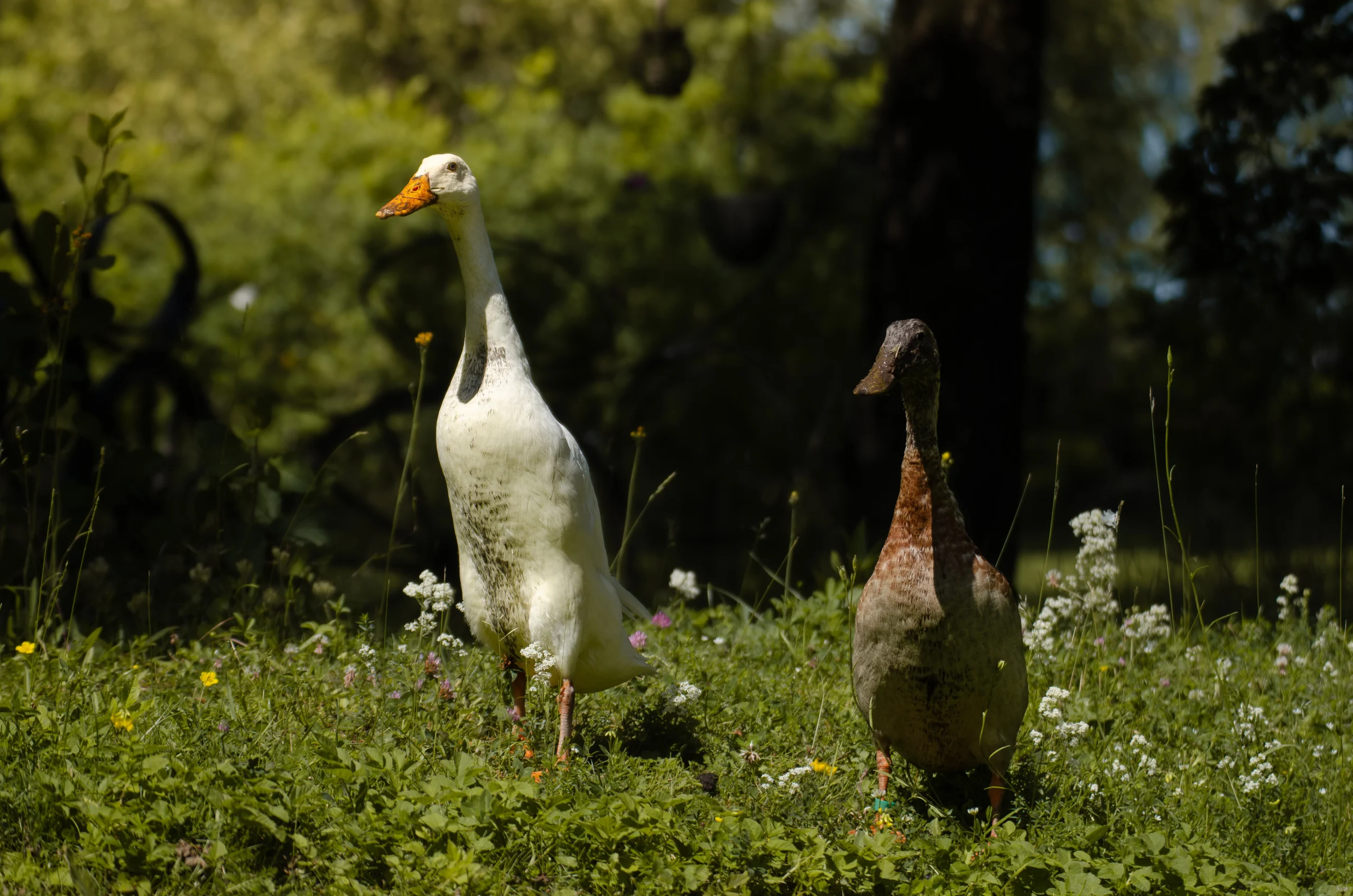
But why is it so much harder to rehome drakes or roosters?
The problem lies in the gender ratio. For every drake, at least four females are needed to keep the flock balanced. For roosters, the general guideline is roughly one rooster per ten hens.
Many people don’t want to deal with the hormonal dynamics of males. Instead, they look for a simple solution, they want a calm flock and eggs every day.
So what exactly is a “bachelor group”?
The term refers to a group of poultry made up entirely of males, living completely without contact with females. Bachelor groups can be organized in different ways: for example, you could have a separate group of males on the other side of the yard while also maintaining a mixed group with both males and females, or you could choose to keep only males.
A common mistake is assuming that males kept without females won’t fight. It’s not that simple, there are several factors you need to take into account.
The Benefits of the Guys
Keeping a group of males without females has many advantages.
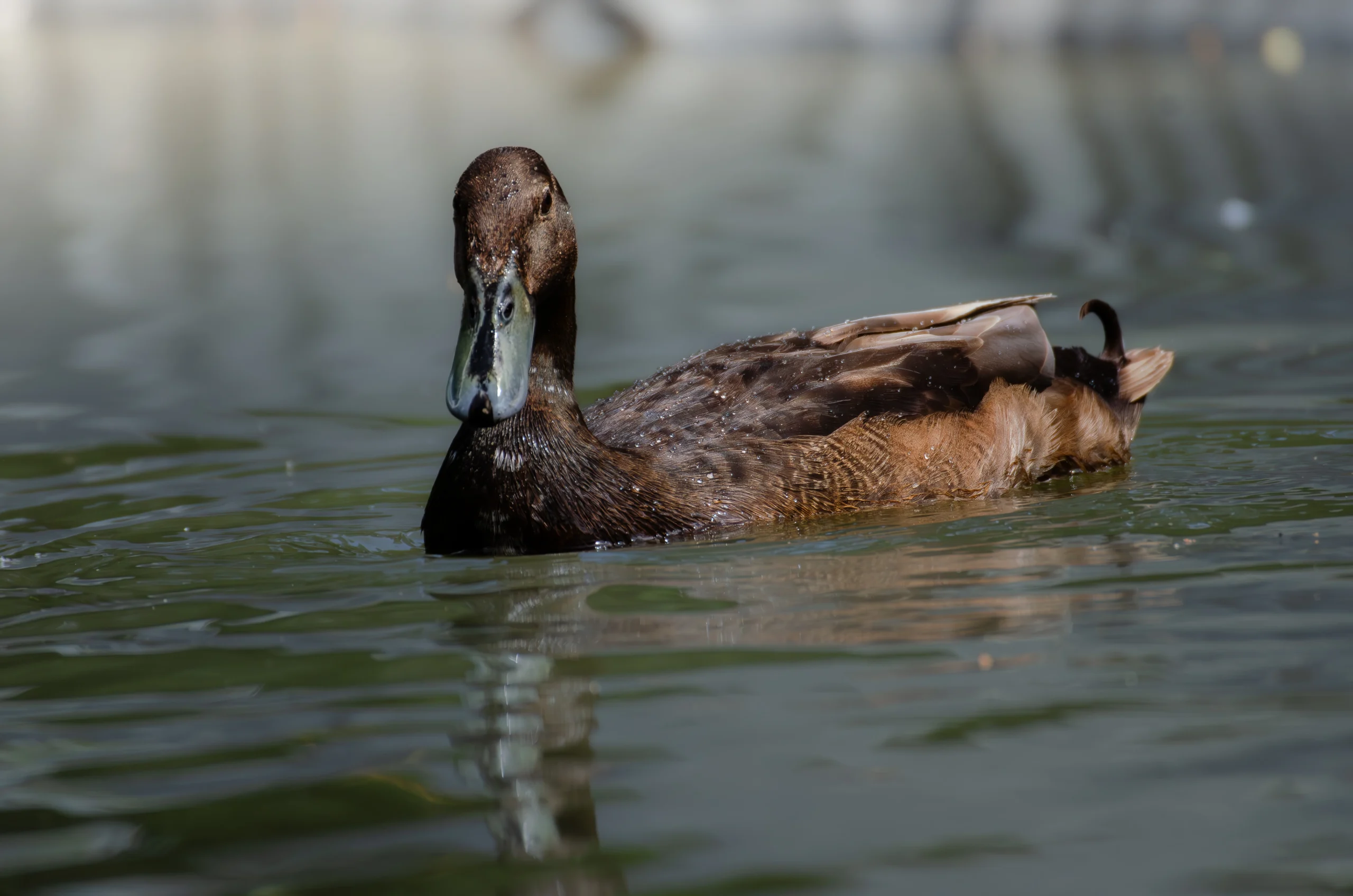
For ducks, this often means significantly less noise. While females are loud and persistent in their quacking, drakes’ calls are hoarser and occur less frequently.
Drakes are also effective at pest control. Without the distraction of females, they focus more on foraging and hunting, making them better at keeping the area free of pests.
When no females are around, males often become more social and develop clearer, more distinct personalities compared to when they live in a mixed flock.
A purely male flock also tends to experience fewer health problems. Egg-laying–related issues are among the most common health concerns in farm poultry.
Bachelor Groups of Roosters
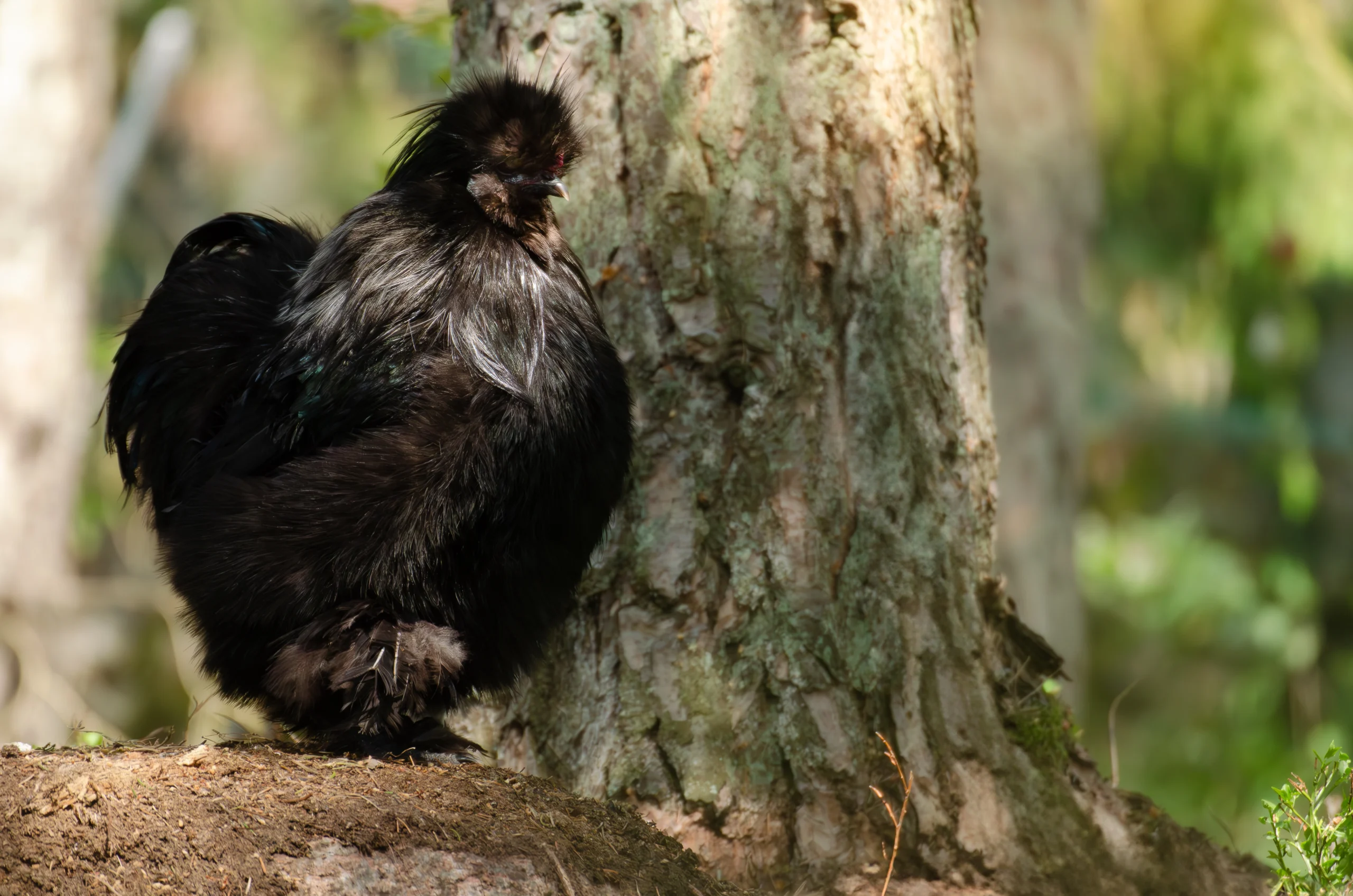
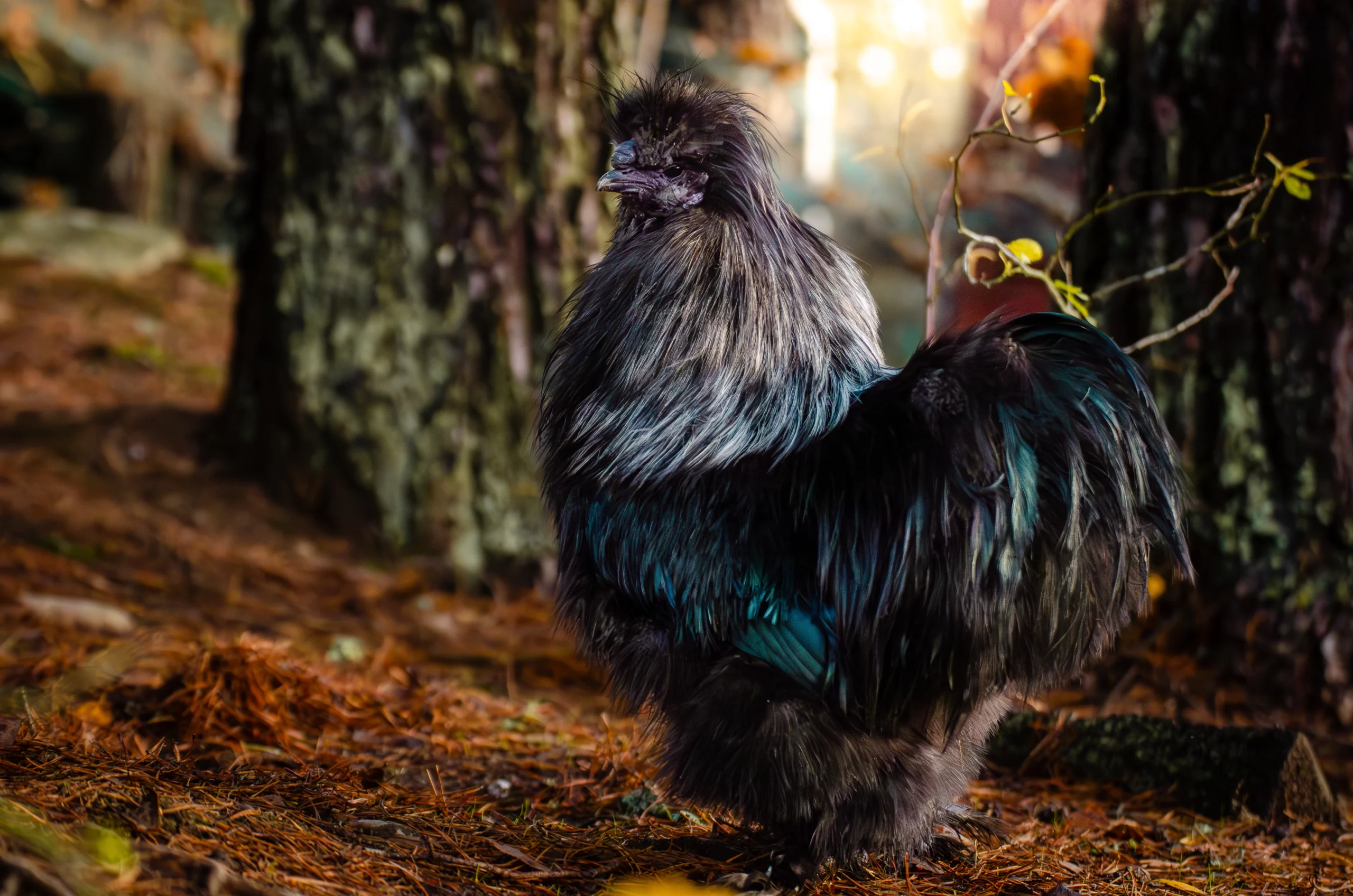
Roosters usually go through their most intense hormonal phase between six months and one year of age. One of the challenges of keeping roosters is that they don’t always get along. Their ability to coexist depends largely on breed and individual personality.
You have a better chance of success with a bachelor group if the roosters have grown up together. Without hens nearby, they will establish their own pecking order, which can lead to a calmer and more harmonious dynamic.
Roosters in bachelor groups often become more affectionate toward their owner, since they aren’t busy guarding hens or competing for attention.
Although I don’t have personal experience with rooster bachelor groups, here’s how I would prepare the pen if conflicts arise:
The key is to divide the pen with movable fences that are tall enough so the roosters cannot fly over. This allows them to see each other while preventing physical contact.
Bachelor Groups of Ganders
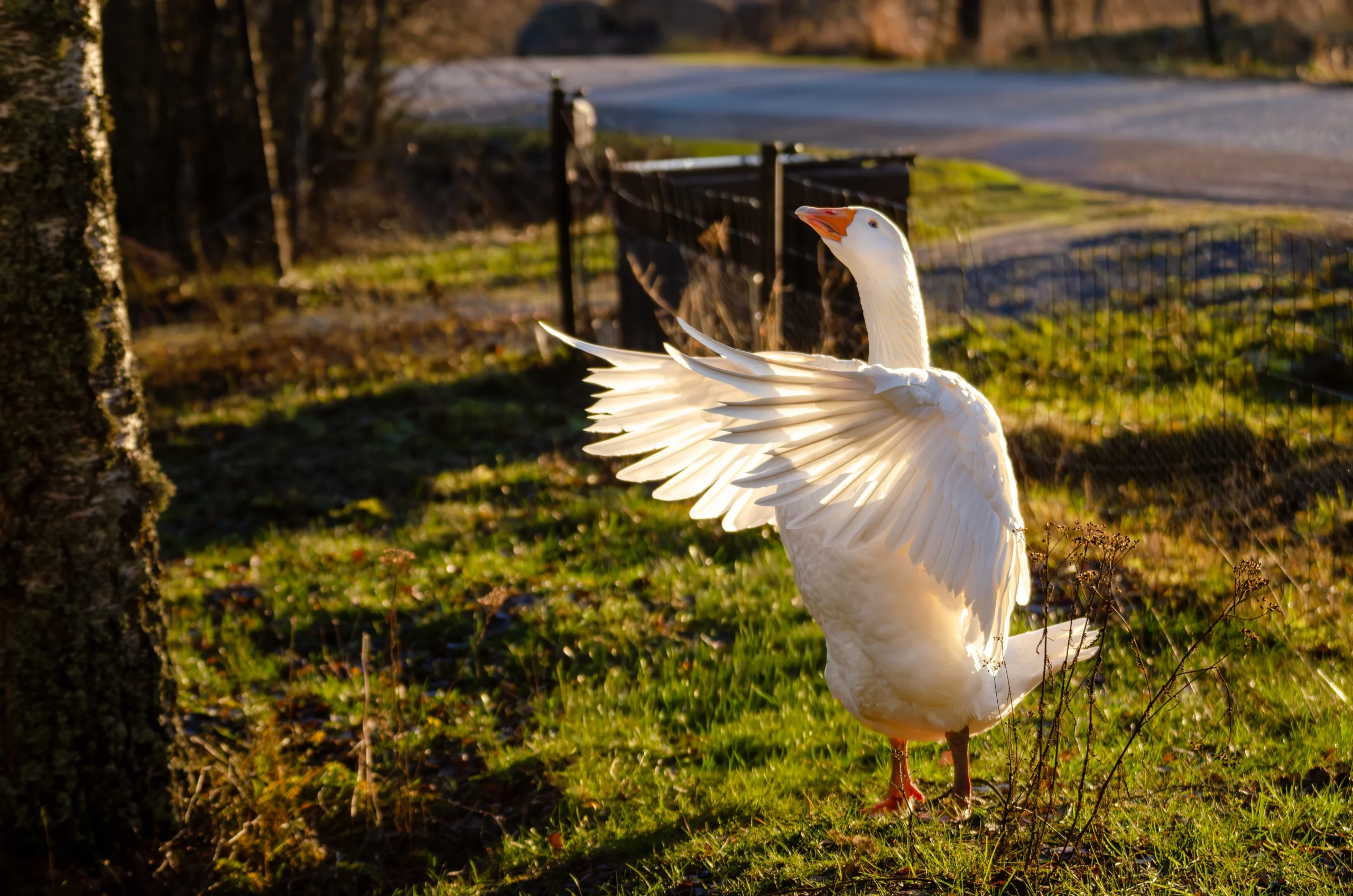
Over the past year, I’ve had the chance to gain some experience with bachelor groups of ganders.
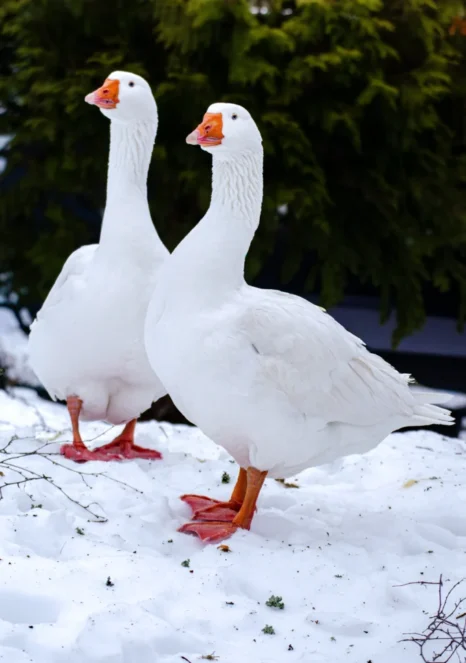
Honestly, there isn’t all that much to consider—they are actually easier to manage than drakes. However, there is one major difference: fights between ganders can be far more violent.
During mating season, I’ve found my geese covered in blood after skirmishes, though most injuries result from pecking rather than serious attacks. Most incidents happen at night, which is why I separate them after dark, while still allowing them to see each other.
The mating season for geese runs from February through the end of April.
The bond between ganders is incredible to witness. They truly love and protect each other, just as they would a female. What surprised me most was seeing them start building nests even without any females nearby—their family bonds are that strong.
Ganders also have very strong protective instincts, making them excellent guardians for other poultry.
Unlike roosters and drakes, ganders are not easy to keep in groups. Due to their size and strength during fights, I do not recommend keeping more than two males if you plan to maintain a bachelor flock.
Things to Consider When Testosterone Rules
No Females in Sight!
This is the most important point: it’s not enough to just separate them, they shouldn’t have any visual contact with females at all.
If they can see a female, they may fight to the death. This is especially important with roosters, since their spurs and beaks can cause serious injuries. But don’t be fooled, drakes can also seriously injure each other.
Space
Space is crucial for both drakes and roosters. Think of them like siblings, they will inevitably get on each other’s nerves. Giving them plenty of room allows them to retreat from fights or simply avoid an irritating “sibling.”
More space also lets them burn off energy by exploring and moving around.
Make sure there are places where they can hide or retreat if needed. This is especially important for roosters. For example, a perch they can jump onto gives them a way to avoid confrontations.
Be Prepared for Separation
From spring through late summer is mating season for ducks.
The first spring with your drakes usually goes smoothly, they’ll be best friends! But by the second spring, tensions can rise. During this second mating season, hormone levels peak, and even without females nearby, they may fight or chase each other.
The same applies to ganders and roosters. The gander mating season is short, but they can still fight intensely during it. With roosters, it’s less about the season and more about personalities. Like any other animals, some individuals simply won’t get along. Rather than separating one individual from the entire group, consider: which individuals do they get along with? Perhaps you can create a duo of two males.
For Drakes
I’ve learned that having two pools can be very helpful if a drake ranks lower in the pecking order. The lower-ranked drake is often not allowed to use the “main pool,” and by providing an extra pool, you can maintain calm and avoid unnecessary tension.
How Drake Hormones Differ
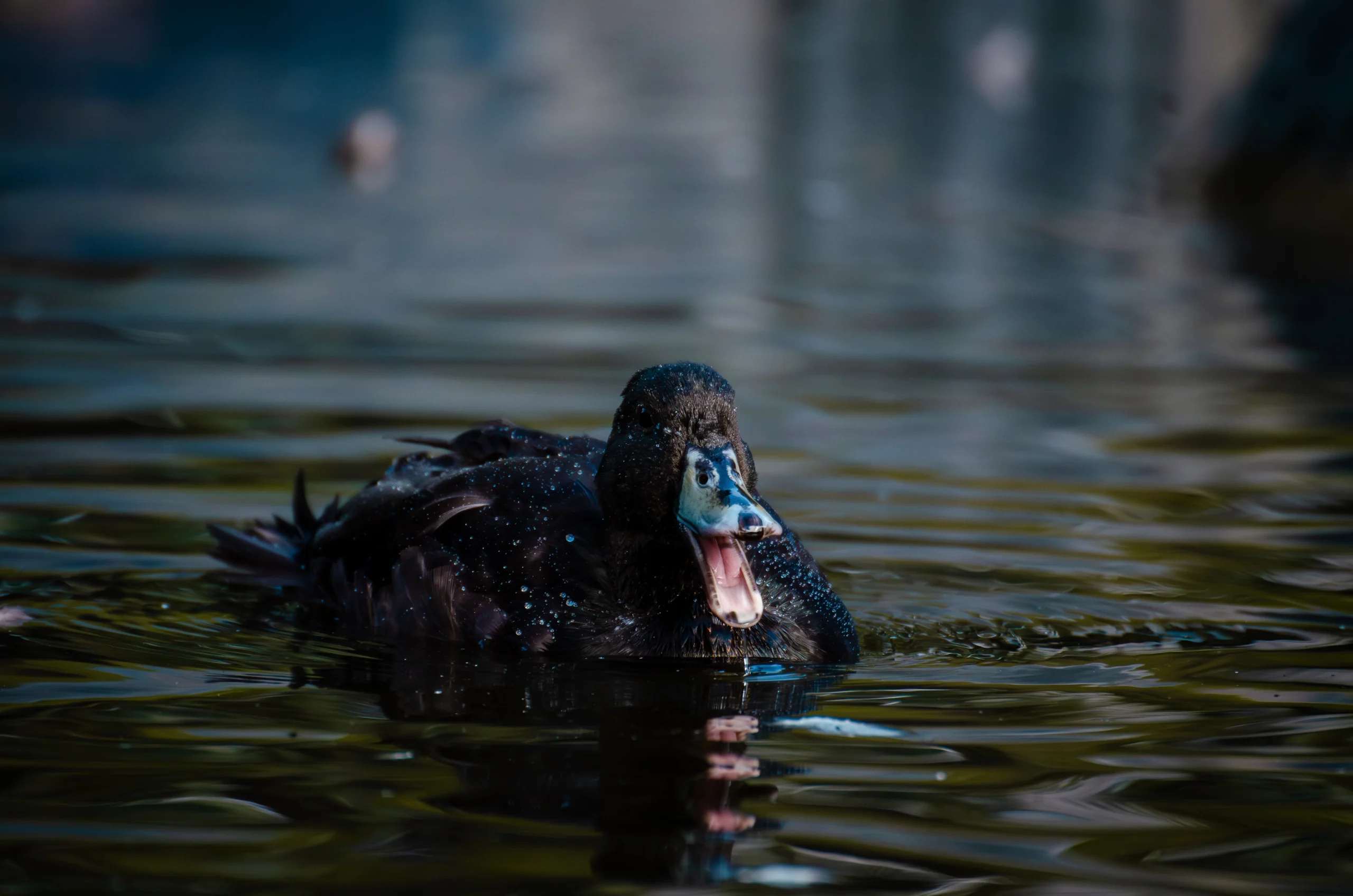
Drake hormones behave very differently compared to rooster hormones. Simply put: when their hormone levels spike, they can become almost like “crazy” ducks—they don’t quite know what to do with themselves. This often leads to aggression and confusion.
If there are no females around during this time, they frequently direct their frustration at the lowest-ranking drake in the pecking order. That’s why it’s crucial to observe your drakes closely during mating season and be ready to separate them when tensions rise.
The Importance of Pairing Drakes
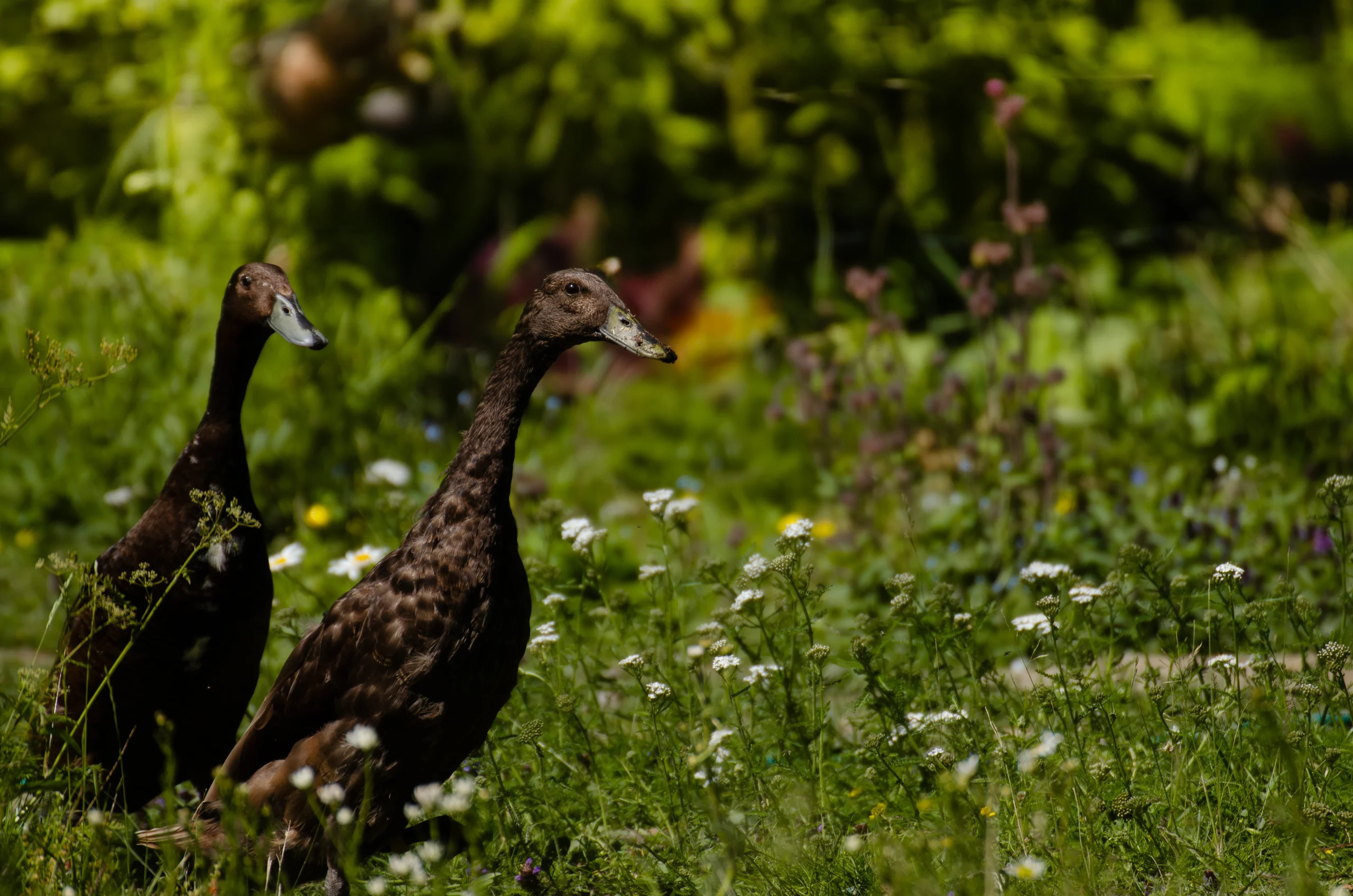
A bachelor group of drakes works best in pairs or in even numbers. If you start with three drakes—as I did and learned the hard way—one will inevitably become the target of bullying during mating season. With four drakes, however, it’s easier to split them up or let them form natural pairs or groups.
Why Four Drakes is Ideal
One advantage of having at least four drakes: when you need to separate them, you can divide them into pairs so that no drake is left alone.
They can still share the same pen, as long as you use a transparent partition to prevent fights. Compost fencing works perfectly in these situations, especially if your drakes aren’t from a breed that easily flies over barriers.
Fights
In any bird community, the pecking order is crucial. For both my roosters and drakes, I allow them to resolve their fights as long as no blood is drawn.
The pecking order isn’t as critical among ducks, but it is absolutely vital among roosters. If you intervene unnecessarily, they will just start new fights until the hierarchy is fully established.
Riding on Each Other
During mating season, it’s common to see birds “riding” on each other. I believe there are two main reasons: one is sexual frustration, and the other is a way of showing dominance, similar to how dogs behave.
So don’t be fooled, just because a drake rides another does not mean a female is involved.
Just like with females, a drake who is frequently “ridden” during mating season can develop bald patches around the neck. This can also cause stress for a male who isn’t biologically programmed to be ridden.
This is when temporary separation during the mating season becomes necessary.
The Dance of the Drakes
You’ll start to notice your males moving in a strange, synchronized way while making a sort of “pfft” sound. This is the males’ mating dance.
They will dance even when no females are around. I’ve seen them dance for me, but I’ve also heard that part of the dance is a competition among themselves. It’s as if they’re trying to show who is most fit to earn a mate.
Dances of Ganders and Roosters
Ganders also have their own dance, though they display it less frequently than drakes. It is, however, very impressive. It looks as if they dive toward the ground with their heads, then snap at each other’s necks.
Roosters, as most people know, have their characteristic wing-stretching dance. This dance can mean different things in rooster language. When directed at a hen, it’s usually a courtship display. When aimed at another rooster, however, it’s more a sign of dominance, a clear “cut that out!”
Bachelor Flocks with 100 Males
This is an unusual situation that I came across during my research into people’s experiences with bachelor flocks. One woman shared that she has a bachelor flock with over 100 birds. Here, the hierarchy works a little differently, and what she described about group dynamics was fascinating.
She wrote:
“I have a bachelor flock of over 100 birds, and the dynamics are very different compared to a small flock. The biggest difference concerns how the mating season is managed. With such a large flock, selected drakes are rotated in and out of the breeding pen. As you know, Runners are active breeding males that don’t require water to mate successfully. Reintroducing one or two breeding drakes into the bachelor flock often leads to fights and, in some cases, even fatalities during mating season, so extra caution is necessary.
In a large bachelor flock, you see smaller social groups or “clans,” as I like to call them. These clans usually form at a young age, but it’s not uncommon for them to accept or reject new members at any time, which makes the clan dynamics quite flexible. Most aggression in a large flock occurs between drakes from different clans. This differs from a small bachelor flock, where aggression usually happens between drakes within the same clan. In a small flock, fights rarely result in fatalities. But in a larger flock with multiple clans, deaths are often the result, since other clan members join in the fight against a drake. That’s why a large bachelor flock must be managed in a completely different way than a small one.”