Quick guide to poultry feed
Feed is more than just food for chickens, geese, and ducks—it is the foundation of their health, growth, and egg production. Understanding the composition and function of feed is therefore essential for anyone who wants to give their birds the best possible conditions.
Feed consists of a mixture of nutrients, including carbohydrates, proteins, fats, minerals, and vitamins, as well as structural components such as plant fibers that influence digestion. Each component plays a specific role: some provide energy, others serve as building blocks for the body, while minerals and trace elements support everything from skeletal development to eggshell strength.
In this text, we will examine feed as a whole—from its basic nutrients to often overlooked components such as crude fiber and ash—and show how they work together to create a balanced and healthy diet for chickens, geese, and ducks.
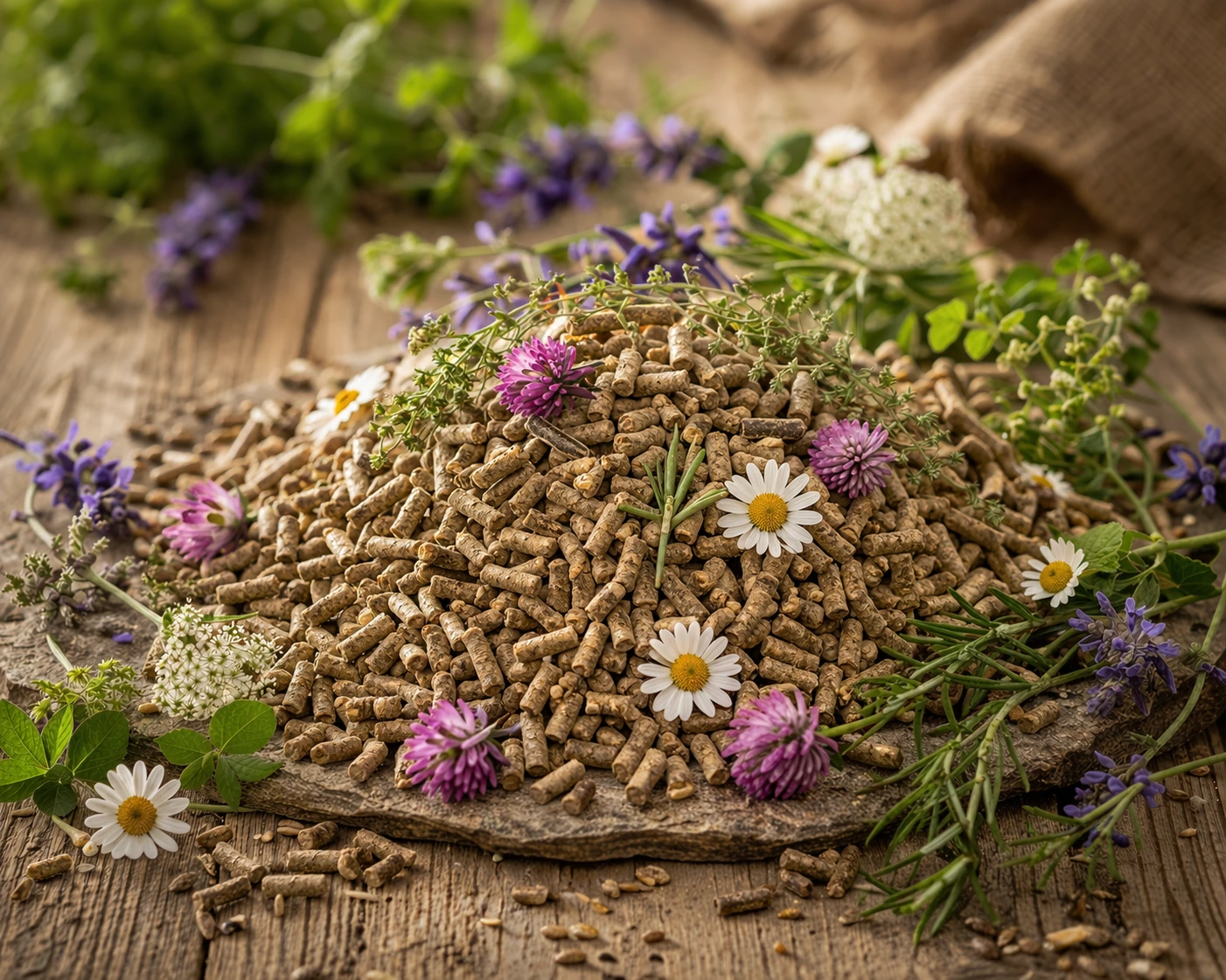
What types of feed are available?
Energy sources
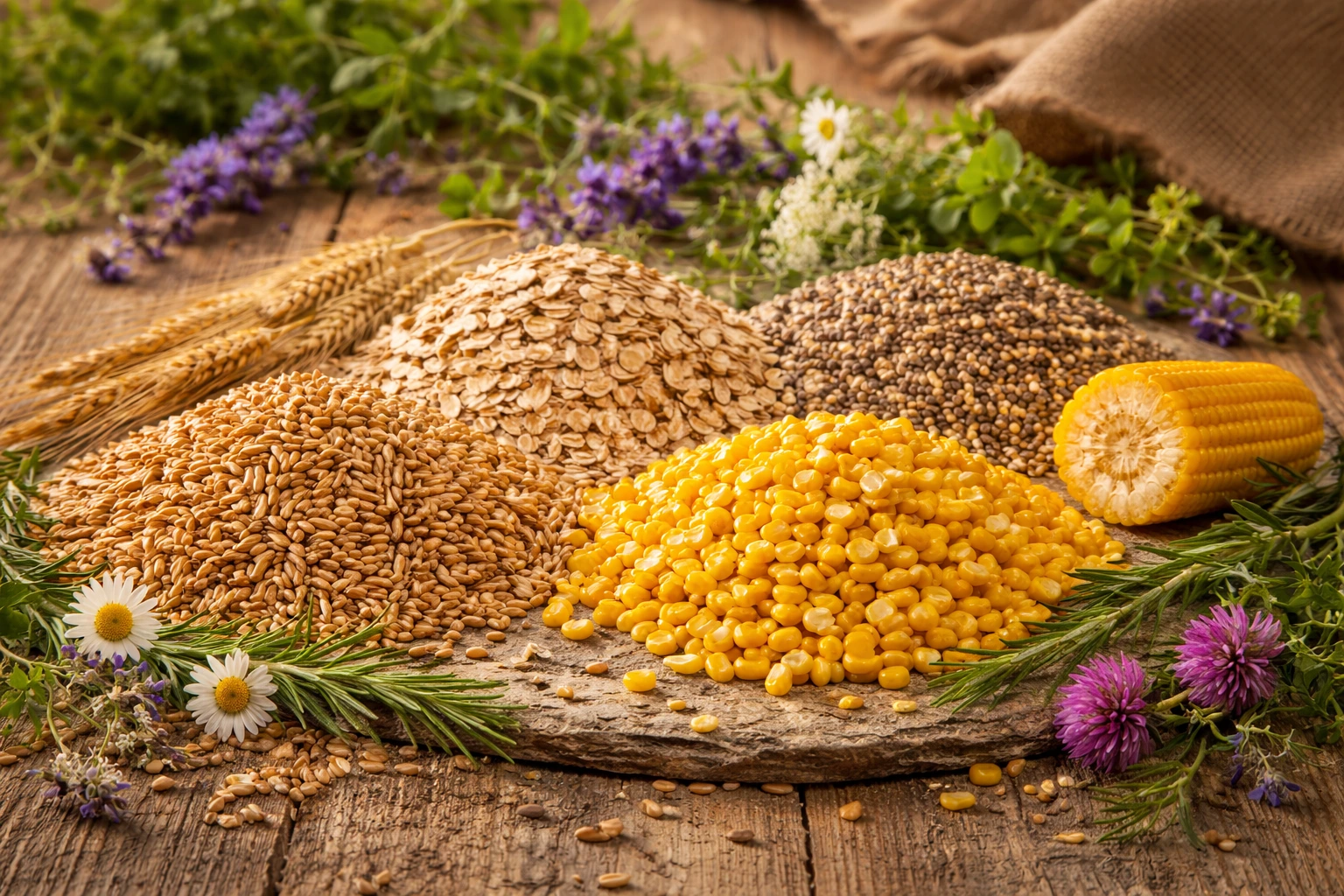
The base of feed almost always consists of grains that provide energy:
- Wheat – common, easily digestible
- Corn – energy-rich, produces a more yellow yolk
- Barley – cheaper, but contains more fiber
- Oats – sometimes used in smaller amounts
Energy is needed for maintenance, growth, egg production, and body temperature, and the requirement increases in cold weather. Fat is the most energy-dense component in feed and a gentle way to supply additional energy.
Energy in feed is often measured in MJ (megajoules), but how can you convert this into calories for better understanding?
1 MJ (megajoule) ≈ 239 kcal (kilocalories)
So: 10.8 MJ ≈ 10.8 × 239 ≈ 2,581 kcal/kg
How much energy do they need?
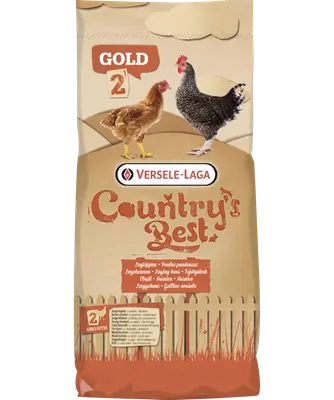
One of the main causes of fatty liver is that birds receive more energy than they need. The energy levels in most feeds are adapted for animals that are laying intensively or are intended for meat production.
- Rooster: 3,140 kcal/kg
- Hen: 2,890 kcal/kg
- Waterfowl: 2,700–3,000 kcal/kg
Minerals
- Calcium + Phosphorus → skeleton and eggshells
- Sodium → fluid balance and nerve function
- Iron → blood formation
- Zinc & Manganese → skin, feathers, and enzyme function
- Copper → pigmentation and metabolism
- Iodine → thyroid (hormone balance)
- Selenium → antioxidant, immune system support
Vitamins
- Vitamin A
- Vitamin D3
- Vitamin E
Vitamins, minerals, and trace elements are essential for a bird’s health. Chicks need the right balance of phosphorus and calcium for strong bones, while laying hens require extra calcium for strong eggshells without depleting their own reserves.

Ash (crude ash)
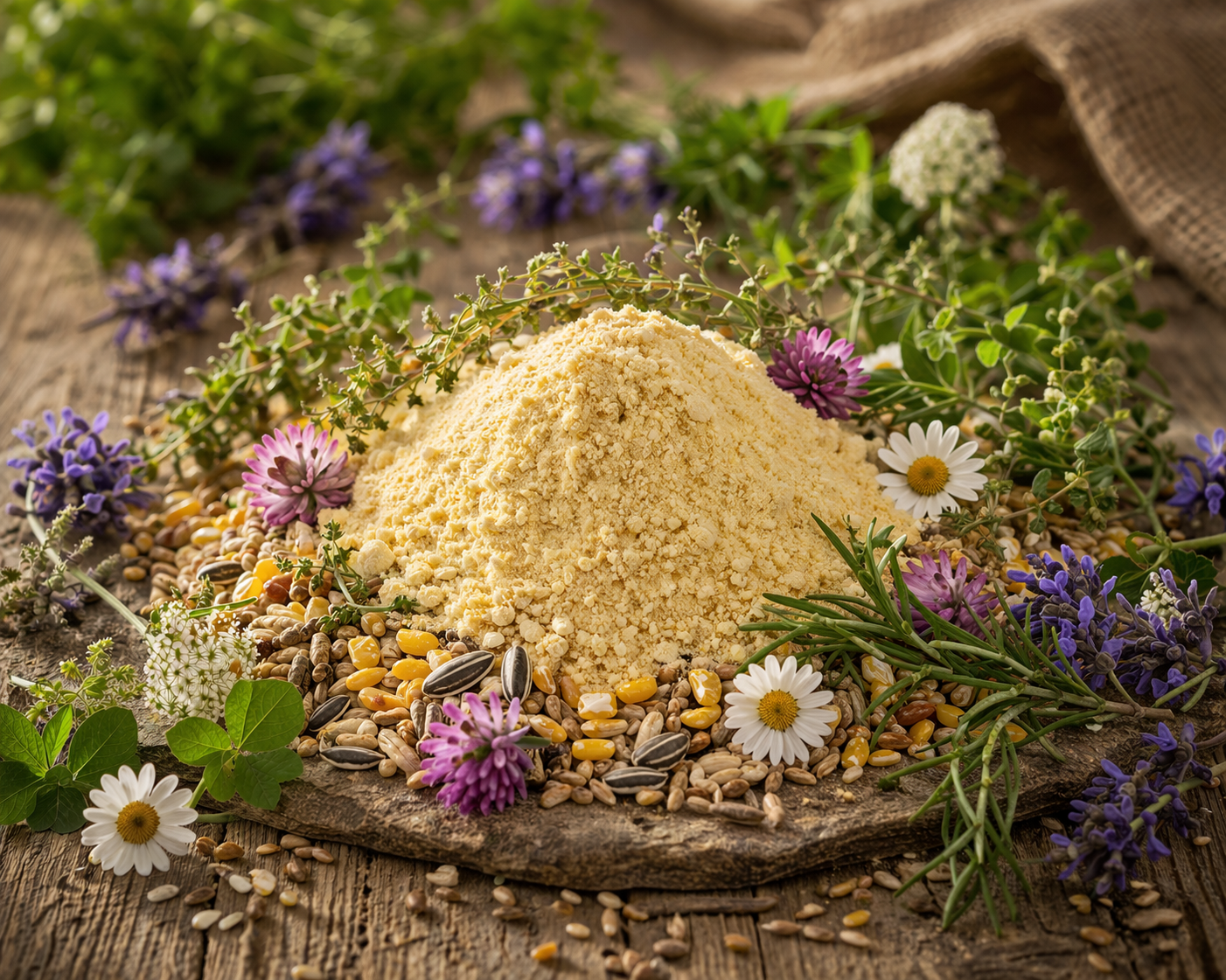
Crude ash is what remains when feed is burned at high temperatures, representing all the minerals in the feed. It gives an approximate measure of the mineral content, such as calcium, phosphorus, sodium, magnesium, and trace elements.


Grains or not?
Using complete feed is generally the safest option, as it provides birds with a balanced diet that supports their health and resistance to disease.
To mix your own bird feed without risking vitamin or mineral deficiencies, several important factors must be considered:
- A careful analysis of ingredients to ensure all nutrients are included
- The right type of raw materials that match the birds’ needs
- Good knowledge of birds’ nutritional requirements
- The ability to use the mixed feed within four weeks so that its nutritional value does not degrade
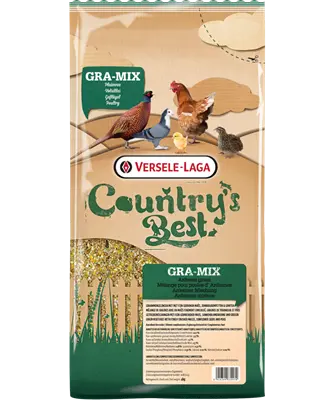
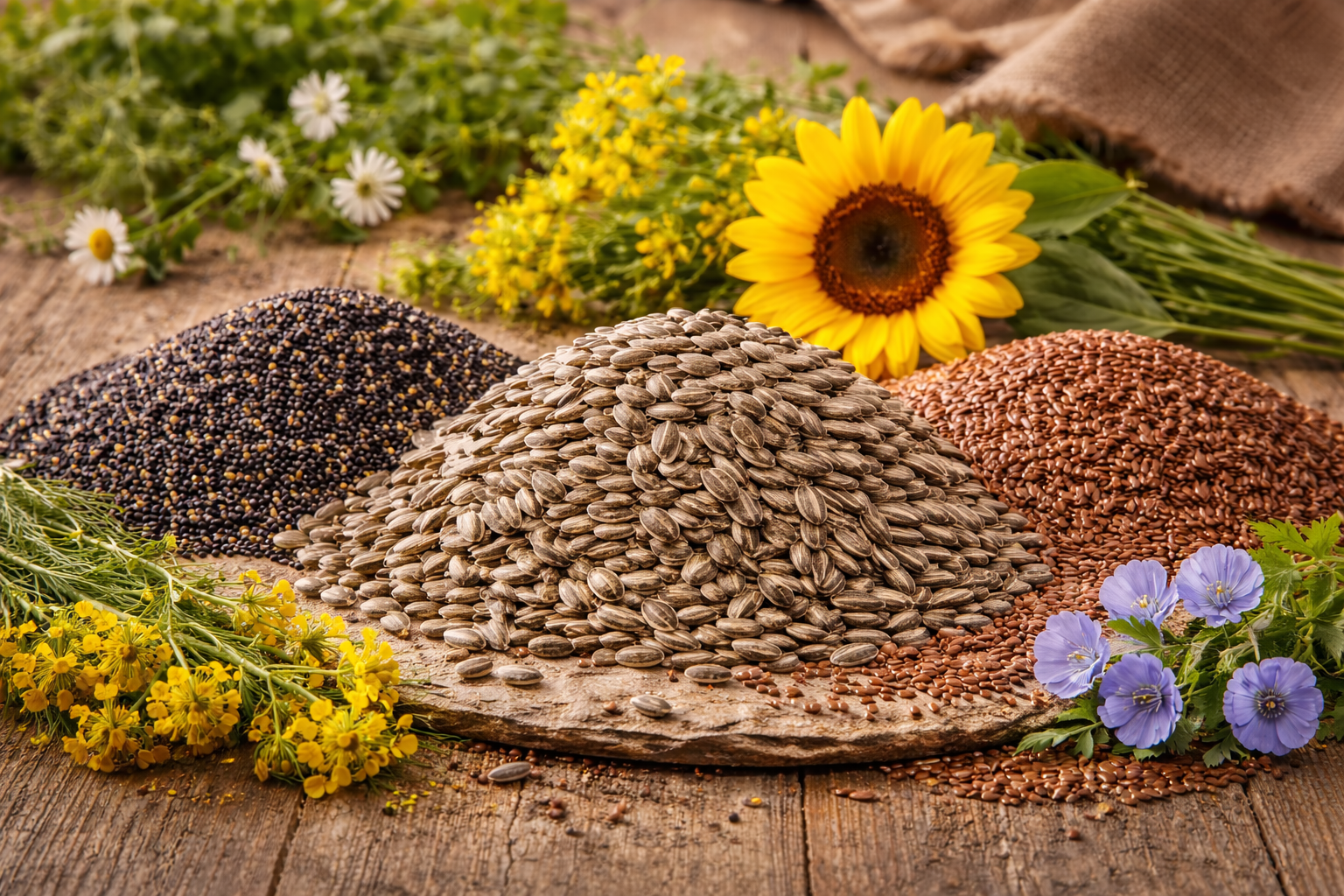
It is common to use grains in bird diets. Grains provide energy, protein, vitamins, and minerals, but there are also drawbacks to including grains in feed.
Grains are more prone to developing mold (so-called mycotoxins), which can be deadly for birds. They also contain antinutrients that inhibit the body’s absorption of essential vitamins and minerals.
Additionally, grains are low in minerals such as:
- Calcium
- Phosphorus
- Sodium
- Potassium
- Sulfur
- Magnesium
- Copper
- Zinc
- Manganese
- Selenium
How is feed for waterfowl different?
Energy and protein
Chicken feed is often higher in protein (15–18%) and energy, tailored for laying hens or chicks. Waterfowl feed has slightly lower protein (12–16%) and energy per kilogram because waterfowl are larger and less active compared to laying hens. Protein and energy levels are also balanced to prevent rapid weight gain, which can lead to joint problems in geese.
Fiber content (plant fiber)
Waterfowl can handle more fiber than chickens. Complete feed for ducks and geese often contains slightly more plant fiber, which aids digestion and intestinal movement.
Supplements and vitamins
They require about twice as much niacin as chickens. This is due to their limited ability to convert the amino acid tryptophan into niacin, as their livers contain high levels of the enzyme picolinic acid carboxylase, which reduces the efficiency of this conversion.
