FAILURE TO TRHIVE when growth falls behind: understanding and helping poultry that fail to thrive.
You’ve just brought home a few chicks, ducklings or goslings, and you notice that one of them is much smaller than the others.
Even when you do everything right, a young bird may sometimes fail to grow as expected. Poor growth is easiest to spot when you have birds of the same breed and age: one smaller bird stands out from the group. These birds may also have different plumage and may not develop their feathers as fully as their siblings.
What is failure to thrive?
“Failure to thrive” is an umbrella term for several reasons why a young bird may not grow as expected. Helping an affected bird regain strength and develop normally can be challenging. Many do not survive, but if the underlying cause can be identified and treated, the outlook may be good.
Causes
Is the bird being bullied? Watch your young flock, especially around the food and water. Is the smaller chick, duckling or gosling being pushed away? If so, separate it from the birds causing the problem, but keep it with a companion. Young birds need social contact.
Even if it isn’t being bullied, a timid bird may struggle to compete for food. Providing a second feeding and watering station can help ensure everyone has access.
Parasites. Coccidiosis is common in young chicks. It can damage the intestines and interfere with nutrient absorption, leading to poor growth. Keeping the brooder clean helps reduce the risk.
Intestinal worms can also affect growth. If you suspect worms, a fecal test can help identify the parasite and guide treatment.
Mites and lice may contribute to failure to thrive in young birds.
size issues
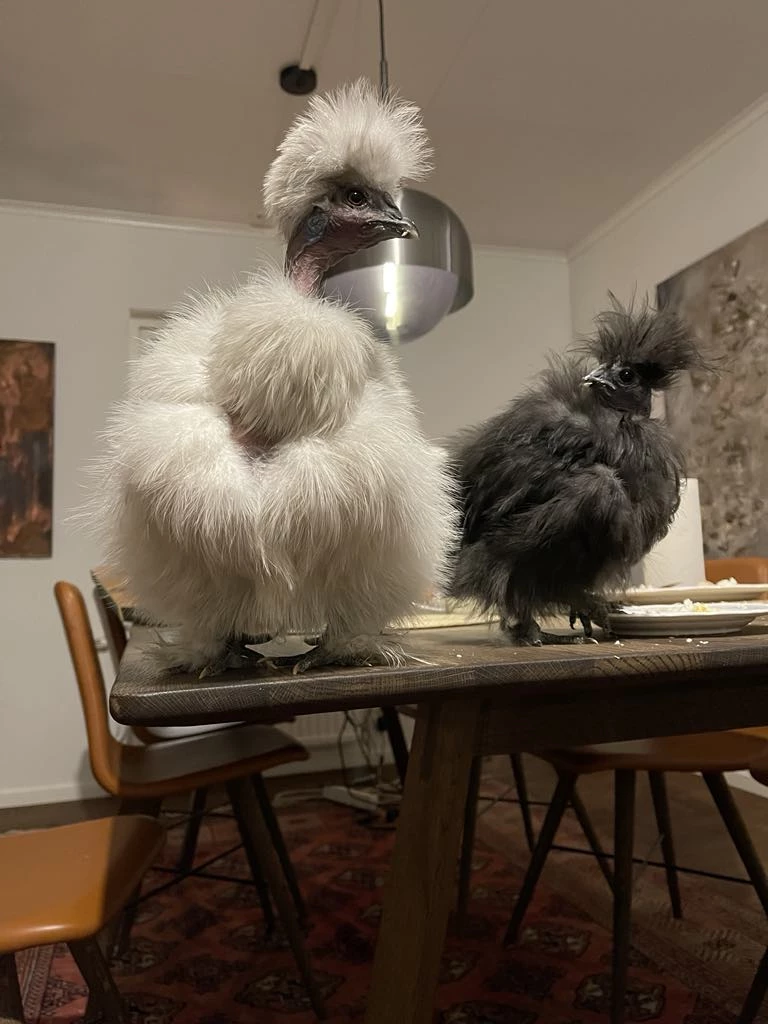
Their small size may cause further problems later in life. If your little runt is a female chicken, laying eggs could be difficult:
- Her body may not be fully developed for egg laying.
- An egg may be too large for her to pass easily.
- She may develop egg binding, a serious condition that requires prompt veterinary care.
My poultry mentor, who has experience caring for birds that have failed to thrive, says her little “runt” sneezes often. She suspects that underdeveloped nostrils may be the cause.
My toughts
Many people think failure to thrive is a disease, but it is a term for a bird that is not growing or developing as expected. The term alone does not explain why, so it is important to look for an underlying cause.
Because birds absorb nutrients through their intestines, I suggest starting there. Could an infection or parasites be affecting the bird’s growth?
Sometimes genetics also play a role. Just like people, birds come in different shapes and sizes. To me, the most important thing is to give each bird the care it needs and a chance to thrive.
