DISEASES AND AILMENTS learn to recognize, understand, and prevent diseases and health conditions.
-
3 Killers among us
Discover three hidden killers affecting poultry: Aspergillus, Staphylococcus aureus and E. coli. Learn symptoms, prevention and how to prote…
Explore -
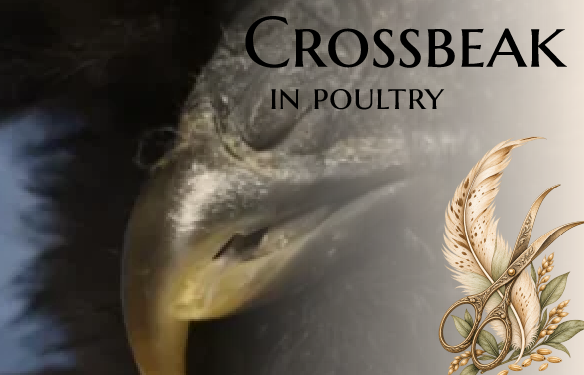
Crossbeaks
Crossbeak in chickens causes the upper and lower beak to become misaligned. Learn about causes, beak trimming, feeding and caring for cross…
Explore -
Egg-laying issues
Learn about egg laying problems in chickens, ducks and geese, including common causes, symptoms, complications and when to seek veterinary c…
Explore -
Failure to Thrive
Is one chick much smaller than the others or not growing as expected? Explore possible causes and what you can check to help it.
Explore -
Fatty liver
Fatty liver can affect chickens, ducks and geese. Learn about the signs and causes of FLHS and how to reduce the risk.
Explore -
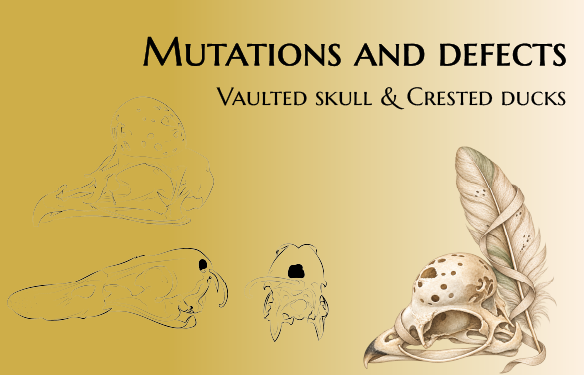
Mutations and defects
Learn what vaulted skull means in chickens and how the crested duck mutation can cause skull openings, neurological problems and reduced hat…
Explore
Poultry can be affected by various diseases and health problems that may influence their well-being, behaviour, growth, and productivity. These problems may be caused by infections, parasites, injuries, or poor environmental conditions. Common signs of ill health include lethargy, reduced appetite, poor feather condition, diarrhoea, breathing difficulties, and decreased egg production.
Infectious diseases are often caused by viruses or bacteria and can spread quickly between birds, particularly in overcrowded or unhygienic environments. Parasites such as mites, lice, and worms are also common and may cause irritation, anaemia, and weight loss.
Poultry may also suffer from injuries and physical strain, including foot sores, broken claws, and problems affecting the joints or legs. Stress, poor ventilation, damp conditions, and overcrowding increase the risk of both illness and behavioural problems, such as feather picking and aggression.
Another condition seen in poultry is cross beak, in which the upper and lower beaks grow out of alignment and cross over one another. Cross beak may be present from birth or develop because of injury or abnormal growth. Affected birds may have difficulty eating, drinking, and preening properly. In mild cases, the bird may live normally with additional supervision, while more severe cases may require regular beak care and adapted feeding methods.
Some poultry also have genetic mutations or breeding-related traits that can affect their health. One example is crested ducks. The crest is caused by a genetic mutation that affects the shape of the skull. In some individuals, an opening or depression develops in the skull, known as a vaulted skull. This may make the bird more vulnerable to neurological problems, balance difficulties, and head injuries. In some cases, the mutation may also result in higher mortality among embryos or newly hatched ducklings. Despite this, many crested ducks can live normal lives when kept in a safe environment and bred responsibly.
To help prevent diseases and other health problems, it is important to provide good hygiene, clean water, sufficient space, and regular health checks. Good husbandry and effective biosecurity contribute to healthier poultry with a better quality of life.
