Torticollis "Wry Neck" a tilted head doesn’t have to mean that all hope is lost.
This is a condition in which the neck muscles undergo involuntary spasms, causing the head to tilt to one side, bend backward over the back, or drop down between the legs. It is not a disease itself, but rather a symptom of an underlying condition.
-
Vitamin deficiencies: Deficiencies of vitamin E or selenium can cause muscle weakness or neurological damage, which may result in wry neck. There are also reports suggesting that vitamin B1 (thiamine) deficiency may contribute to or worsen the condition.
-
Bacterial or viral infections: Diseases such as Marek’s disease or Newcastle disease can contribute to the development of wry neck.
-
Head or neck trauma: Breeds with a vaulted skull are more susceptible to this type of injury.
-
Parasites: Parasites can affect the nervous system directly, but they may also contribute indirectly by reducing the bird’s absorption or availability of essential vitamins.
-
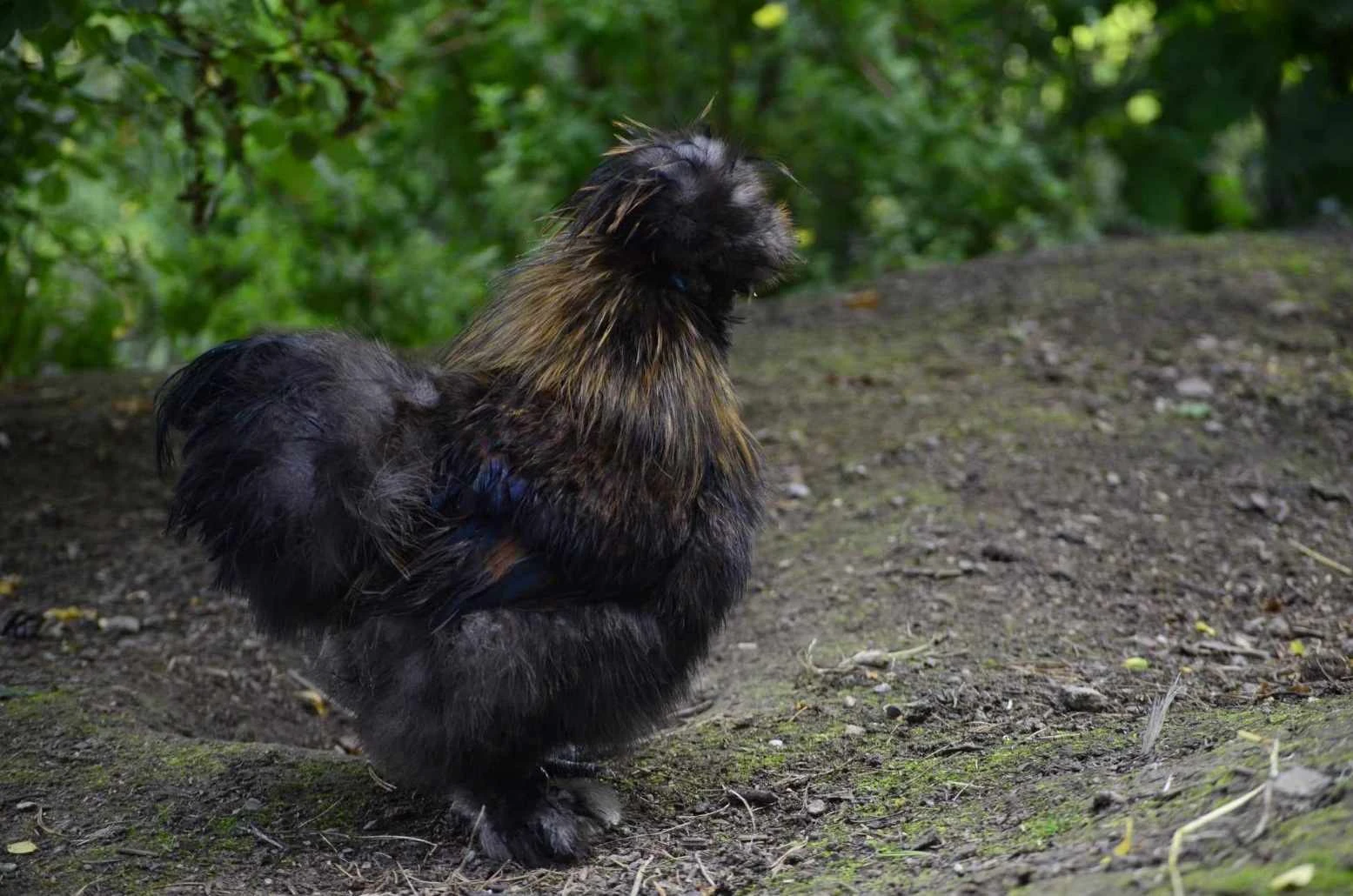
Genetic factors: Certain breeds, such as Silkies and Polish chickens, are more predisposed to developing wry neck.
-
Toxins: Poisoning can affect the nervous system and cause wry neck as a clinical sign.
-
Stress: Overcrowding, poor living conditions, and sudden environmental changes can place significant stress on the body and, in some cases, trigger wry neck as a symptom.
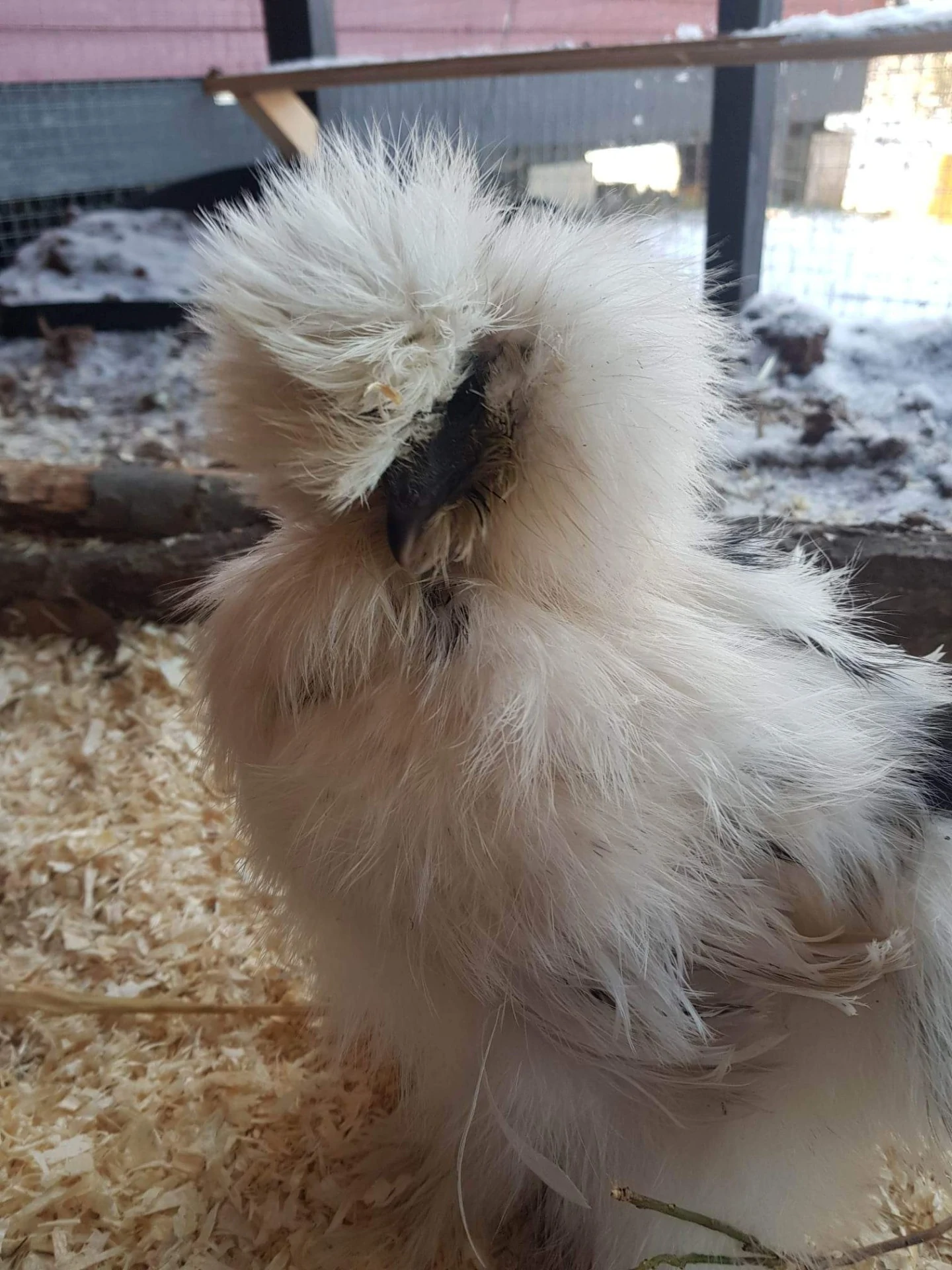
Clinical Signs
Every case of wry neck can present differently depending on the underlying cause and the severity of the condition. If recognized early, intervention may be more successful.
The most common clinical signs of wry neck include:
-
The head tilts downward, upward, or to one side. In the early stages, the tilt may be subtle, while more advanced cases often involve a pronounced twisting or bending of the neck.
-
The bird is unable to walk in a straight line. In some cases, this may be the first noticeable sign before the neck tilt becomes apparent.
As mentioned earlier, every case is different, but wry neck typically progresses over the course of 1–2 days before more severe clinical signs develop.
In my own hen, the first episode began with fluffed-up feathers, particularly around the neck, accompanied by a slight neck tilt. During the second episode, the earliest sign was a very subtle tendency to stare upward into space, which was then followed by balance problems. In the days beforehand, I found her remaining on the roost in the morning after the rest of the flock had come down. At the time, I assumed this was because she was becoming broody.
Treatment
How is wry neck treated? Starting treatment with vitamin E is unlikely to cause harm, regardless of the underlying cause. However, it is important to remember that wry neck is a symptom, not a disease itself. Identifying and addressing the underlying cause is essential for successful treatment.
This treatment approach is based on vitamin E deficiency
Once you begin to see improvement, it is important not to stop treatment abruptly. Sudden discontinuation can increase the risk of wry neck returning, sometimes with more severe symptoms.
Instead, gradually reduce the dosage day by day until the treatment has been completely tapered off.
Treats
Encourage your chicken or rooster to eat. Their favorite treats can motivate them to try eating and maintain their strength. Boiled eggs and corn are often good choices. Personally, my hen loves budgie seed mixes.
Separation
Your chicken will not be able to defend itself and will be more vulnerable to its surroundings and potential aggression from flock members.
The first time I treated my hen, I kept her companion in the coop with a transparent barrier between them, allowing her to still have company. The second time, I placed her in a cat carrier during the day so she could still see and hear the rest of the flock.
Stress-free environment
Stress is known to worsen the condition. Keep the environment calm and avoid sudden changes whenever possible.
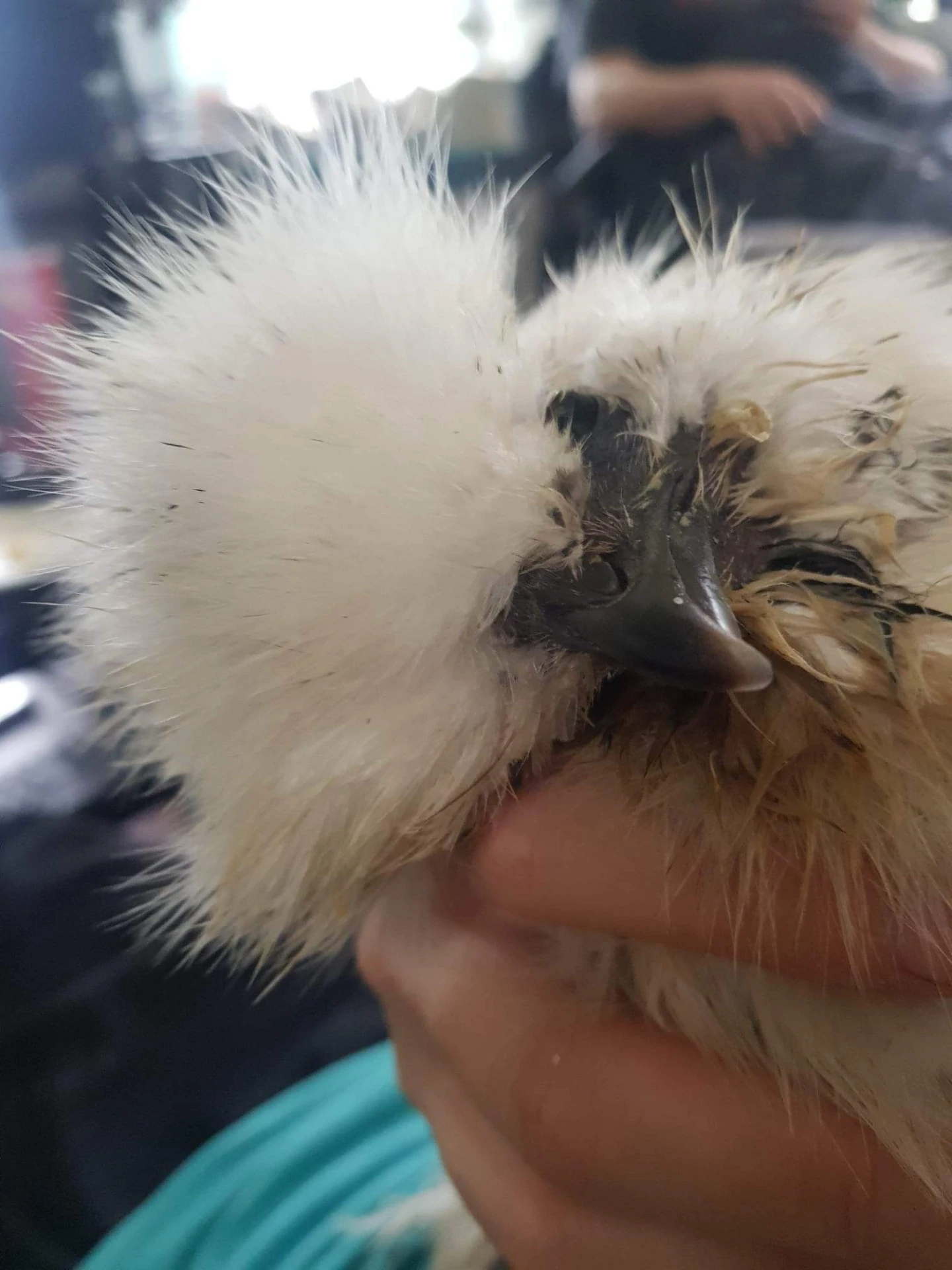
How to Give Vitamins and Medication if You Are Unfamiliar with a Bird’s Trachea
If you are not familiar with the anatomy of a bird’s airway, it is important to understand the correct technique before attempting to give liquids by mouth. Birds have a trachea (windpipe) located at the back of the tongue, and accidentally placing liquids into the airway can cause aspiration and potentially life-threatening complications.

I have always experienced, with my first hen affected by wry neck, that the condition reaches a peak before improvement begins. For some birds, this may only last a few days, while for others it can take several months. Unfortunately, some birds never fully recover, depending on the underlying cause of the wry neck.
My hen reached a turning point around day 3–4, while my rooster, as mentioned earlier, improved after only 1–2 hours once he was placed in the correct position.
What Happens in the Neck?
To explain it simply, wry neck is a form of muscle spasm. You can probably imagine that this is not a comfortable experience for the bird. To provide some relief, you can gently support your chicken’s head and neck in a more natural position. This can also reduce stress, as the bird is less likely to panic when it feels more stable.
You can also carefully massage the neck to help relieve the uncomfortable muscle spasms. Keep in mind that you are handling the neck of a small animal, so always be gentle and cautious.
When my hen most recently experienced a twisted neck, and during the episodes with my rooster, I carried them whenever I had a free moment so I could support their necks and provide relief.
Swedish Podcast, me talking about wry neck
Broody Hens
For hens that have previously suffered from wry neck, broodiness can become a major concern. Their bodies often struggle to cope with the physical demands of a brooding period, and the risk of a relapse can be very high. This is something I learned the hard way.
There are two ways to approach this:
- Allow her to continue brooding and provide additional vitamins throughout the brooding period. Make sure she is still eating and drinking properly. In my opinion, this option still carries a significant risk of relapse.
- Break the broodiness immediately. This removes the physical strain of brooding and may reduce the risk of wry neck returning.
Speculations Regarding the Causes of Wry Neck
One theory is that breeding from hens that have previously suffered from wry neck may contribute to the condition being passed on. If a mother hen has experienced wry neck, received treatment, and recovered, she may still carry a genetic predisposition that affects her offspring, such as an increased susceptibility to vitamin deficiencies.
Many keepers have observed that changes in weather, especially cold temperatures, can make chickens more vulnerable to developing wry neck or experiencing a relapse.
Based on my observations of my own hen, who came from healthy parents, I believe that Silkie genetics may play a significant role. Once affected, Silkies may be more prone to experiencing the condition again.
There are many theories surrounding the causes of wry neck. It is well documented that certain breeds are more susceptible to developing wry neck, and Silkies are among those breeds.
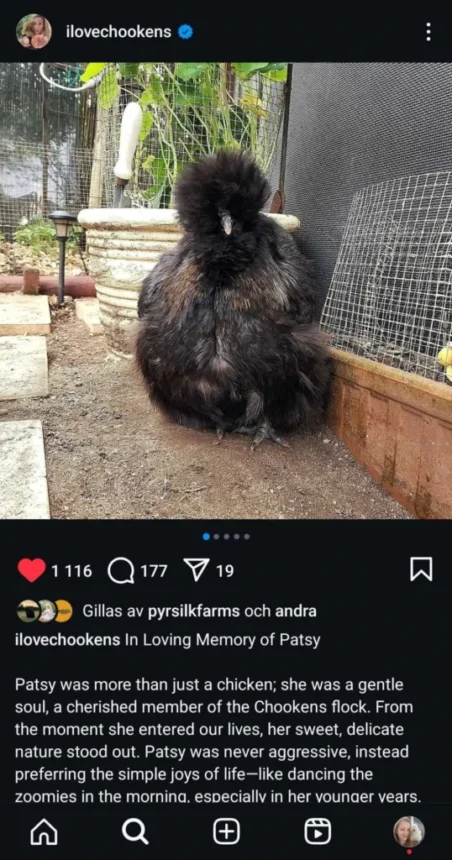

Recovery and the Time After
Once a hen has experienced wry neck, the condition may remain a potential vulnerability even after recovery. While the symptoms may disappear, the underlying susceptibility can persist.
Preventive care is key to reducing the risk of recurrence. Hens that have previously suffered from wry neck appear to be more prone to developing nutritional deficiencies again.
What can you do?
-
Provide sunflower seeds as part of the diet or as a regular treat. Sunflower seeds are a natural source of vitamin E.
-
Provide a multivitamin supplement regularly to the individual hen that has previously suffered from wry neck. I personally provide supplements twice a month.
-
Offer vegetables regularly as part of a varied diet.
Sources
Grubby Farms What is wry neck
Murano Chicken Farm Speculation on genetics in Wry neck
Feather Baby Farm Why Silkies are more prone to vitamin deficincy
Facebook group A silkie chicken group that have been a huge help sharing their experience