FATTY LIVER when too many treats take a toll on the liver.
Just as in humans, an inappropriate diet can have a profound impact on the health of our birds. In this chapter, I will discuss a common condition in poultry that is rarely talked about: Fatty Liver Hemorrhagic Syndrome (FLHS). Many cases of sudden death are linked to this condition.
This topic first caught my attention when another poultry owner shared the post-mortem results of one of her hens.
Fatty Liver Hemorrhagic Syndrome (FLHS)
Fatty Liver Hemorrhagic Syndrome (FLHS) is a metabolic disorder that affects poultry.
The lymphatic system of birds, such as chickens, is relatively simple. In simplified terms, the liver is the first organ exposed to dietary fats (lipids) absorbed from the digestive tract.
This condition typically develops in birds with a high-calorie diet combined with limited physical activity. Over time, fat accumulates within the liver, making it enlarged, fragile, and prone to hemorrhage.
Other factors, including genetics, hormones, and environmental conditions, may also accelerate fat accumulation in the liver. Mycotoxins have also been implicated as a contributing factor.

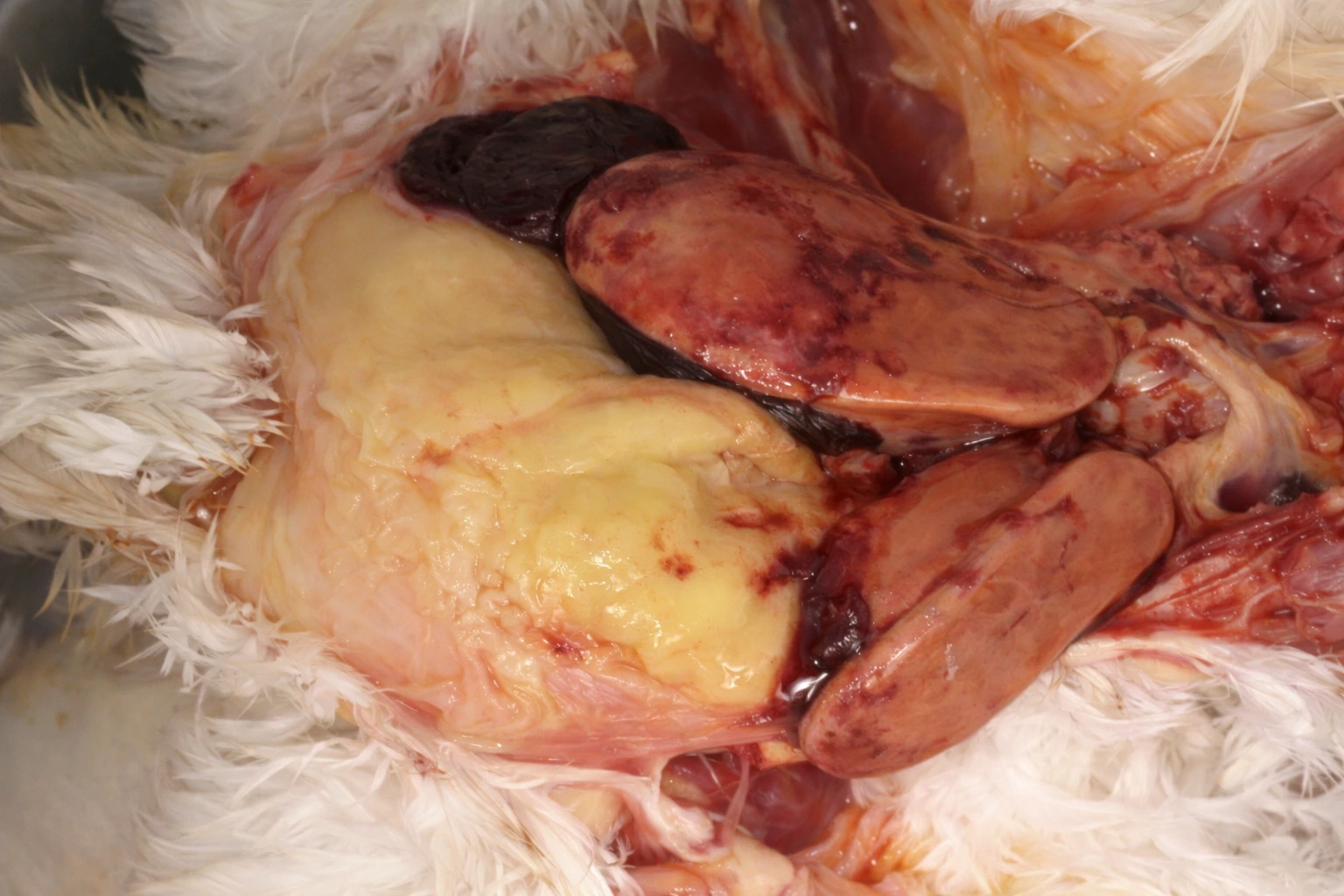
A case of Fatty Liver Hemorrhagic Syndrome
A woman was left confused and shocked after her beloved hen died suddenly without any obvious cause. She submitted the hen for a post-mortem examination, which revealed internal hemorrhage caused by Fatty Liver Hemorrhagic Syndrome (FLHS).
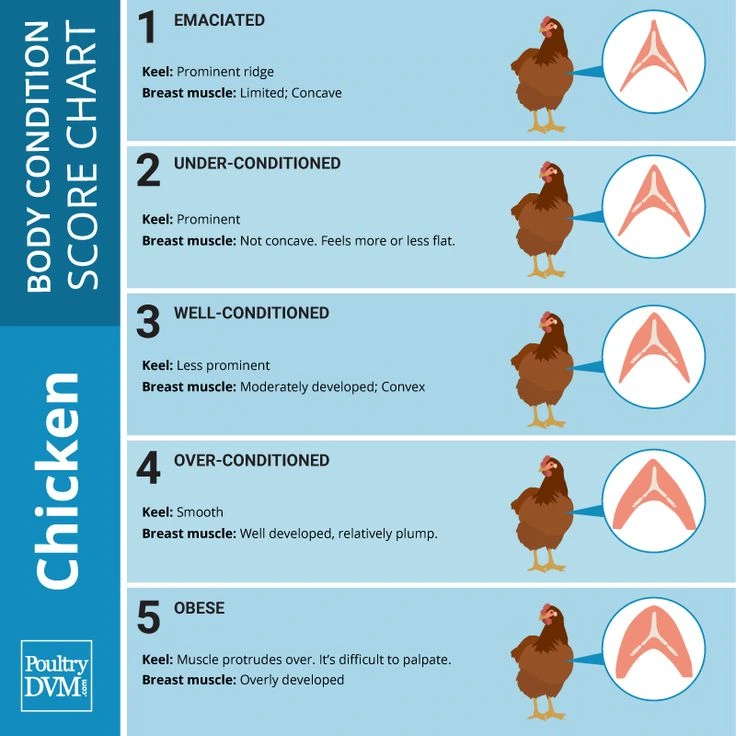
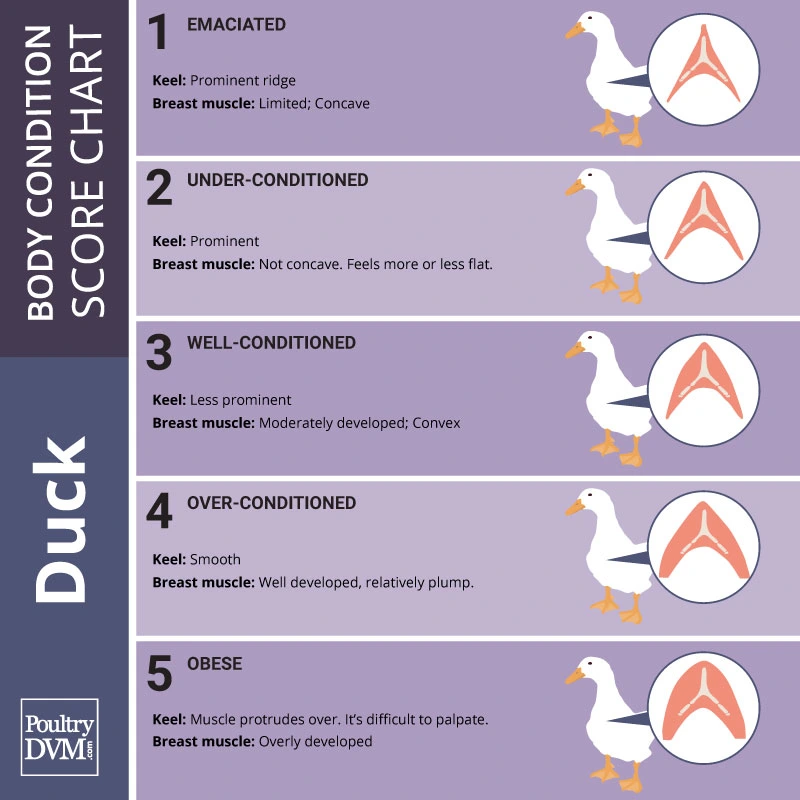
The pathologists concluded that the condition was most likely related to obesity. As the hen’s owner, however, she was surprised. She had always believed that a hen’s body condition could be accurately assessed by feeling the keel bone.
Her hens had free access to layer feed, supplemented with a small amount of grain. They were also offered vegetables on a regular basis.
Treats were given only occasionally, and the hens had access to a large outdoor run where they could roam freely throughout the day. Many backyard hens are kept in much smaller enclosures, making the diagnosis even more puzzling to her.
The recommendation she received was that the layer feed itself was the problem. She was told that layer feed is primarily formulated for high-producing commercial laying hens, which I personally found surprising. She was also advised that even the small amount of grain she was feeding could have contributed to the condition.
As a result, she switched to a more balanced maintenance feed and reduced the amount of grain she offered.
She later contacted me and asked if I would write about the condition to help raise awareness among poultry keepers. Thanks to her story, I also took a closer look at the diets of my own birds and began thinking more carefully about what they actually need. For example, I realized that the feed I was using for my waterfowl contained far more protein than they required.
Based on what she shared with me, I believe there may have been additional underlying factors that contributed to her hen’s Fatty Liver Hemorrhagic Syndrome. Her experience is a reminder that this condition can affect even the most conscientious bird owners, despite their best efforts.
I would like to sincerely thank her for sharing her story.
My thoughts
Since learning more about this syndrome, I have found myself thinking about it often. Could one of my own birds develop it and suddenly die without warning?
We all enjoy spoiling our animals. We do it because we believe we are giving them the best possible care—yet something like this can still happen.
Fatty Liver Hemorrhagic Syndrome is very likely one of the most common causes of sudden death in laying hens. Many owners never submit their birds for a post-mortem examination, which means the true number of cases is probably much higher than the reported figures.
After reading about the role of estrogen in fat deposition within the liver, I have also begun to wonder whether this condition is more common in highly productive laying breeds. Could breeds that lay fewer eggs be at a lower risk? As far as I know, there is currently no clear answer, but it is certainly an interesting question that deserves further research.