
Imagine giving birth every single day! It is therefore understandable that problems can occur in our birds.
Fortunately, many of these issues are highly treatable when detected early and when the correct measures are taken. This is why it is important to recognize when your bird is unwell. However, this is not always easy. Birds are prey animals and are very good at hiding signs of illness. By the time you notice that something is wrong, it can become a race against the clock to begin treatment.
In this article, I will cover some of the most common egg-laying problems in birds.
Understanding is the key!
Förståelse är nyckeln!
Egg Yolk Peritonitis
This occurs when the egg yolk ends up in the “wrong place” and accumulates in the bird’s abdominal cavity. This causes inflammation within the bird, which is usually mild but can occasionally become severe.
Soft-Shelled Eggs / Rubber Eggs (Shell-less Eggs)
These eggs occur when there is a problem during the process of shell formation. The egg does not receive enough calcium to develop a proper shell.
The most common cause is calcium deficiency. Keep in mind that not all hens readily eat oyster shell. One tip is to scatter oyster shell on the ground so that birds can naturally pick at it.
Female ducks are not always as interested in oyster shell as chickens. They often seem to prefer more finely crushed shell and may avoid mixed or pellet-like forms.
Lactose-free soured milk or yogurt can be a good way to provide additional calcium. Liquid calcium supplements are also available for birds.
Another cause of soft-shelled or rubber eggs is stress, such as stress caused by bullying within the flock.
This is also a common issue in young laying hens, as their reproductive system is still adjusting to the egg-laying process.


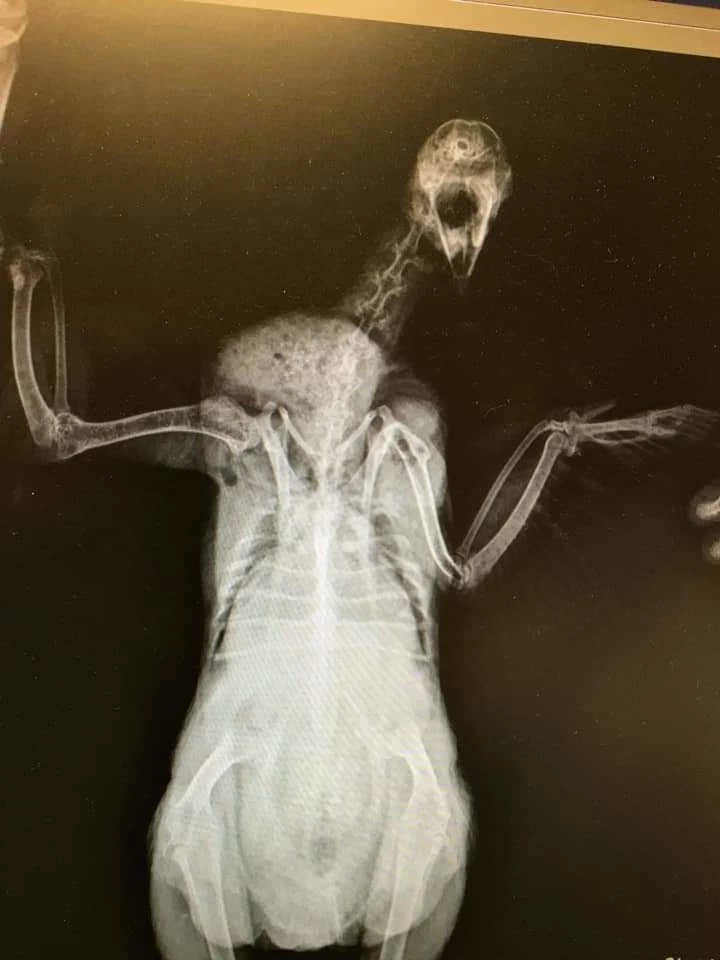
Egg Bound
This term describes a condition where a bird is unable to pass an egg for some reason. The most common sign is a bird standing in a penguin-like posture. She may also make rhythmic, pulsing movements with her rear end as she attempts to push the egg out.
Possible causes of a bird becoming egg bound include:
-
Egg yolk peritonitis
-
Obesity
-
Age
-
Genetics
One of the simplest ways to help her pass the egg is to place her in a warm bath (with the water covering the vent) with one tablespoon of Epsom salt. Gently massage her to encourage contractions and help the egg pass.
Calcium and vitamin D help ensure that muscle contractions function properly.
Inflammation of the Oviduct (Salpingitis)
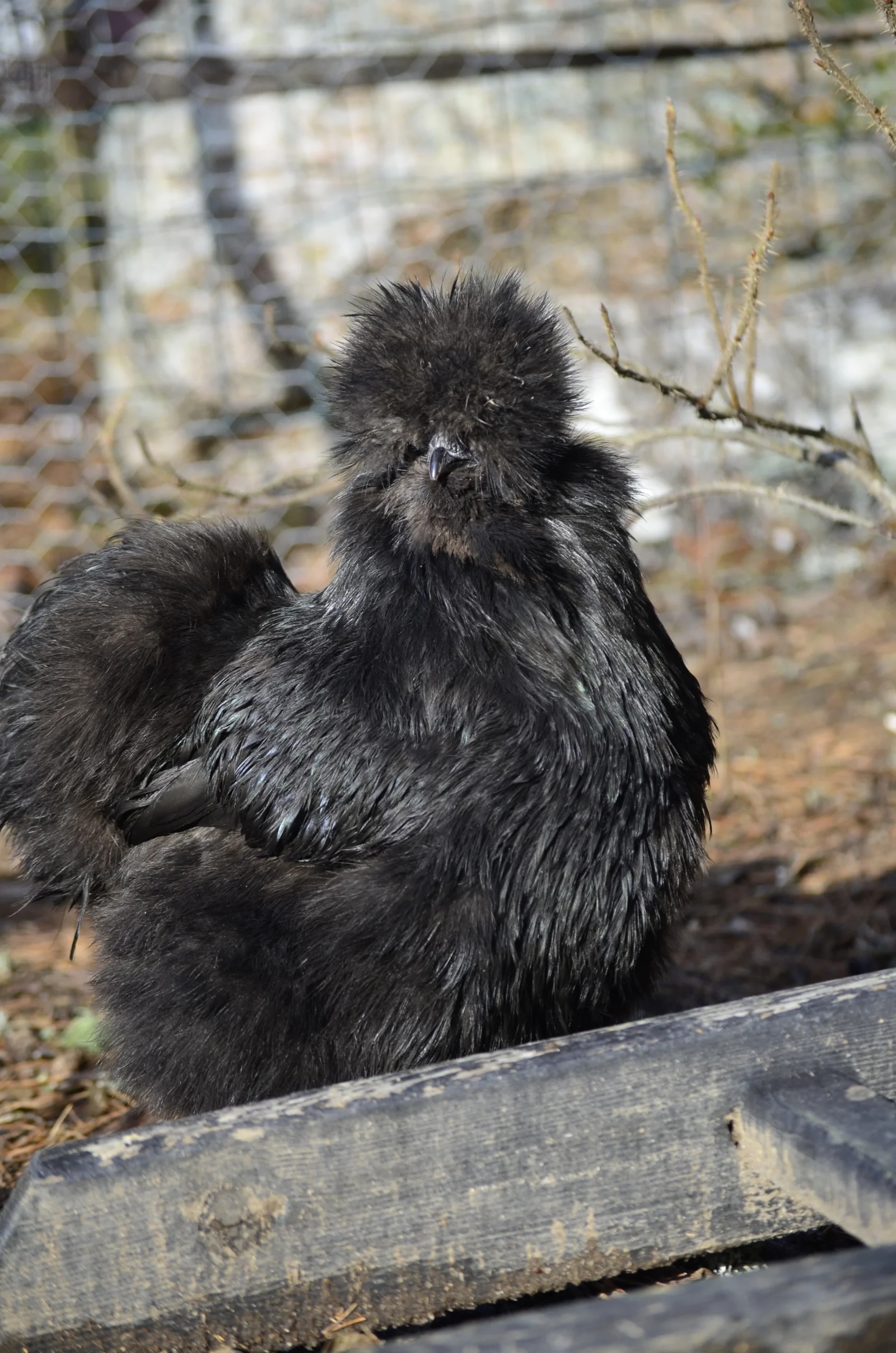
Salpingitis is one of the most common reproductive problems in adult laying birds. It is related to the complex estrogen-driven reproductive system in birds, which can make it easier for bacteria to travel from the cloaca into the oviduct.
The most common cause is a bacterial infection, but it has also been shown that respiratory infections can contribute to the development of salpingitis.
Common pathogens associated with salpingitis include:
-
Escherichia coli (E. coli)
-
Mycoplasma
-
Pasteurella
-
Salmonella
Symptoms
-
Abnormal egg laying
-
Deformed eggs
-
Reduced egg production
-
Depression or withdrawn behavior
-
Reduced appetite
-
Lethargy
-
Swollen abdomen
-
Penguin-like posture
-
Difficulty walking or perching
What can you do?
Support her! Isolate her from the flock, and provide a safe, warm, and comfortable environment.
Treatment of Salpingitis
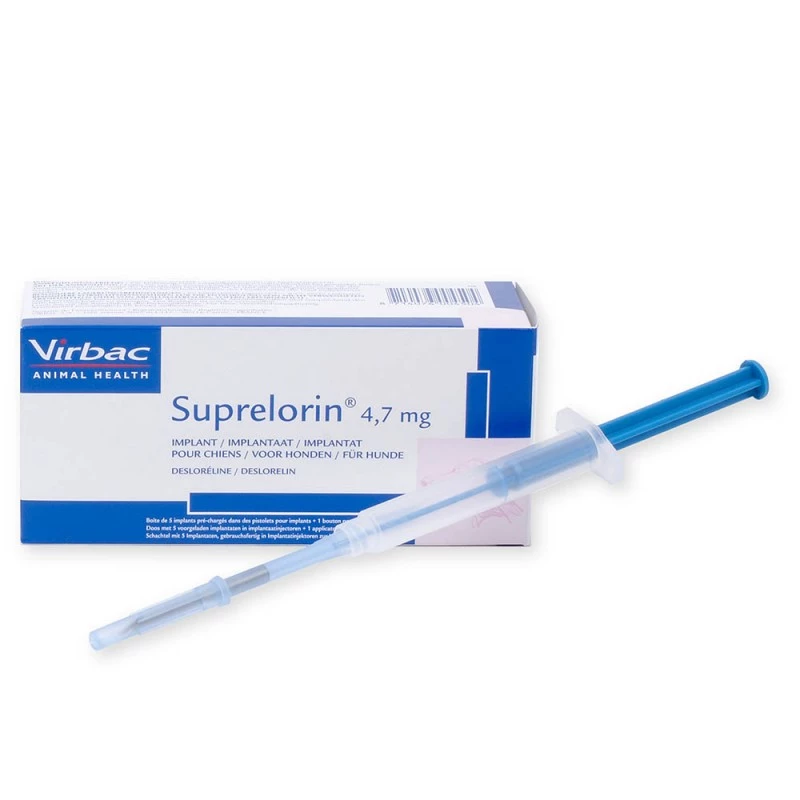
In Sweden, treatment commonly involves hormone implants, such as Suprelorin (Deslorelin implant), often combined with antibiotics.
More severe cases may require surgery to remove retained egg material from the oviduct.
Lash Egg
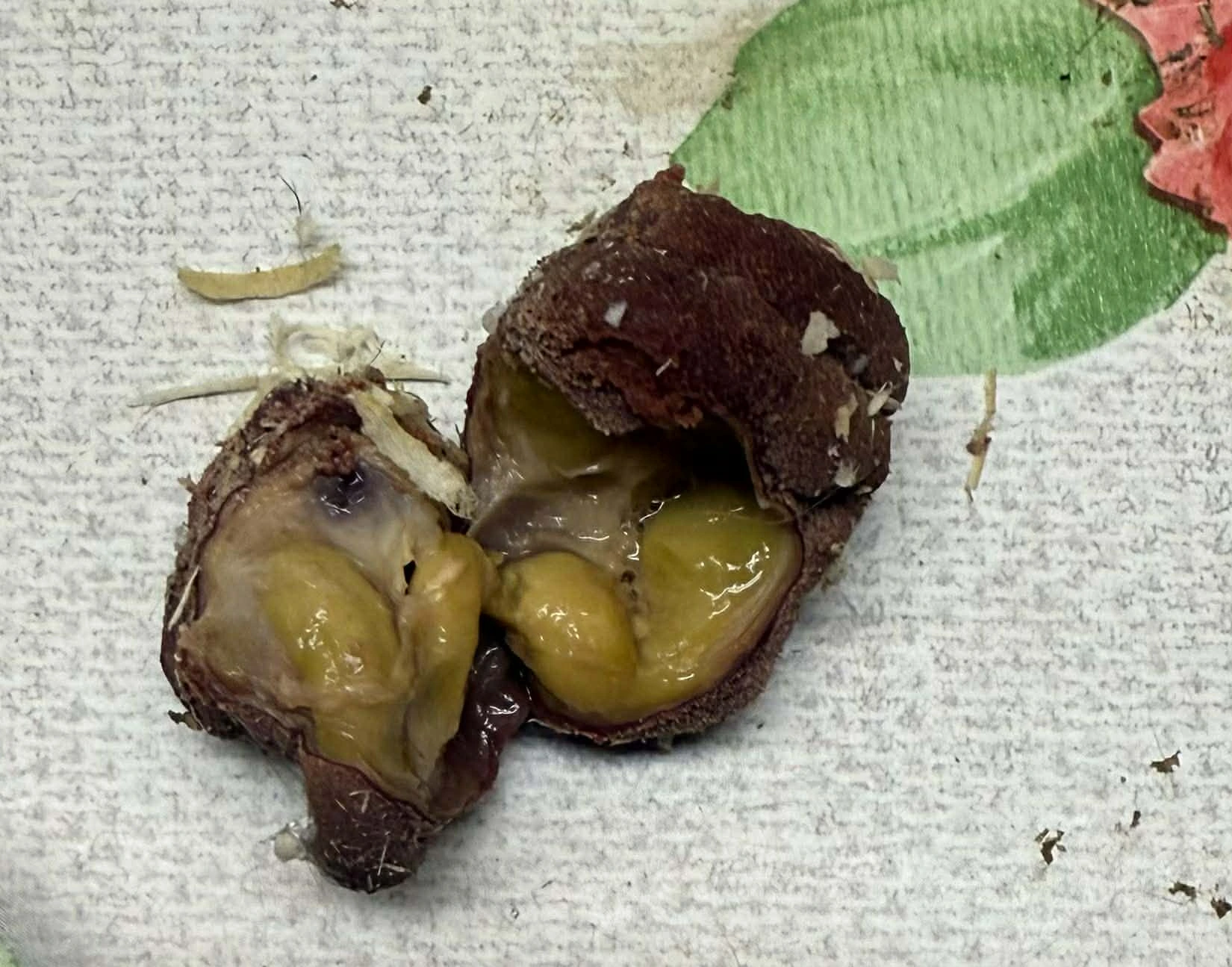
A lash egg is a sign of advanced salpingitis. It is a firm mass composed of caseous material, pus, and remnants of egg material formed within the oviduct.
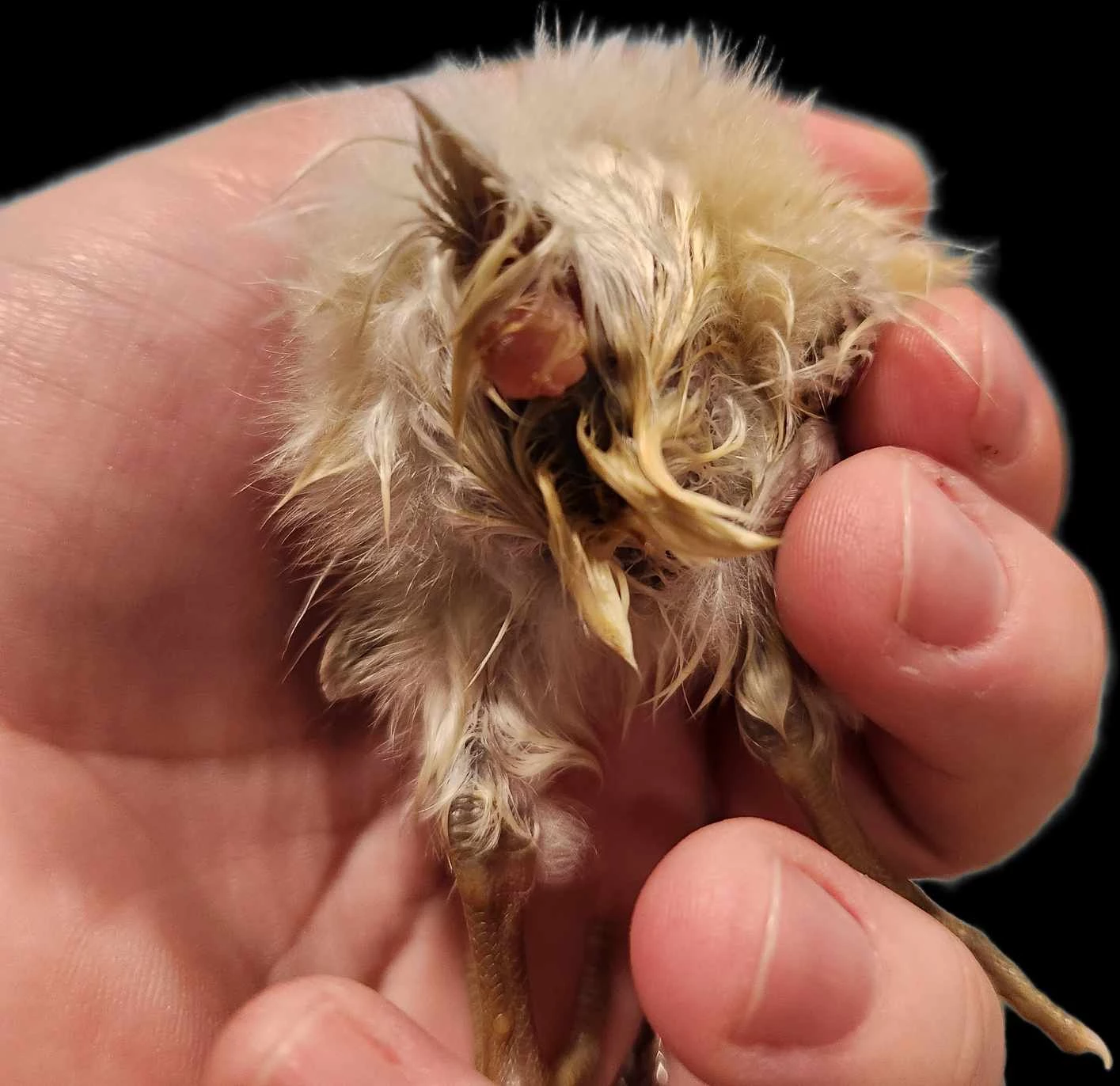
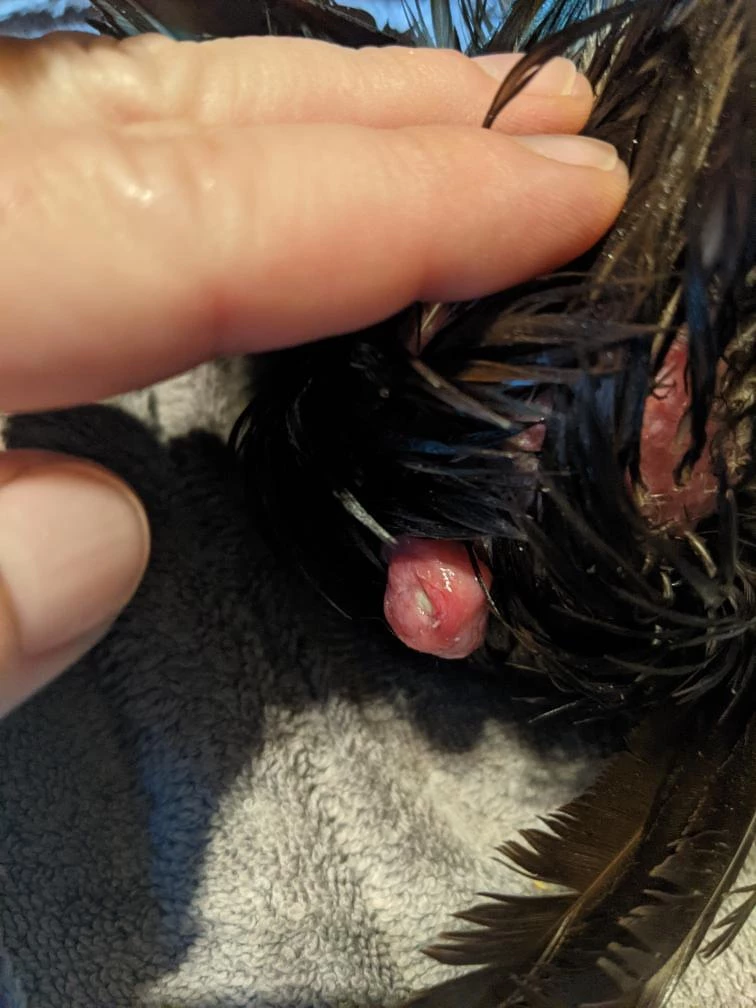
Vent Prolapse (Cloacal Prolapse)
This is a serious condition, but it can often be treated successfully when detected early. However, the risk of recurrence is high.
There are many possible causes of vent prolapse, but the most common appears to be hens beginning to lay eggs before their bodies are fully developed.
Other possible causes include:
-
Large eggs
-
Older or overweight birds
-
Birds that do not pass droppings frequently enough, causing the vent area to become stretched
-
Genetics
Treatment
Treatment is very similar to that for an egg-bound hen: place the bird in warm water. In mild cases, the prolapse may resolve on its own.
In other cases, you may need to gently assist by carefully pushing the prolapsed tissue back into place. A lubricant such as vegetable oil or petroleum jelly can make the process easier.
Note: This should only be considered temporary first aid until veterinary care can be obtained.
I personally do not have experience with prolapse in ducks or chickens (drakes can develop penile prolapse). However, based on what I have heard and observed through social media, vent prolapse appears to be more common in female Indian Runner ducks.
Infectious Bronchitis
This is a respiratory disease, but I am including it here because one of the symptoms is abnormal egg formation.
The disease is caused by a strain of coronavirus and is highly contagious. It spreads through infected birds and contaminated equipment and can also travel over long distances through the air.
Symptoms
-
Gasping, coughing, and sneezing
-
Reduced egg production
-
Soft, wrinkled eggs with uneven or misshapen shells