
I had three roosters that lived peacefully together for nearly three years, even though the number of hens wasn’t ideal.
My head rooster, Bartholomew, kept order within the flock and made sure the hens were safe and well cared for. Unfortunately, at the beginning of spring, I learned the hard way that it is uncommon for a rooster to remain the dominant leader throughout his entire life.
Understanding why roosters fight makes these situations far less intimidating. It also helps you, as an owner, recognize when you should step in—and when you should let nature take its course.
An alpha rooster must constantly assert his dominance over the other roosters to maintain his position as the flock’s leader and protector. He spends more than 70% of his time caring for and watching over his hens.
In the wild, red junglefowl typically have one dominant rooster that looks after around a dozen hens. Nearby, but still as part of the same flock, there is usually a group of younger cockerels and subordinate roosters. They generally live together peacefully while remaining constantly alert, waiting for their opportunity to become the flock’s dominant bird.
No two rooster fights are ever the same. Fights between hens are usually brief, resolved quickly, and involve little more than a few pecks. Rooster conflicts, on the other hand, involve far more complex behaviors, signals, and power struggles.
Allowing roosters to fight in order to establish the pecking order is essential. The balance within the flock is maintained by having one alpha rooster and one or more beta roosters. These fights only become truly serious—and potentially fatal—if the alpha rooster decides that he will no longer tolerate the presence of the beta roosters.
Rooster fights can begin very suddenly, as though someone has flipped a switch.
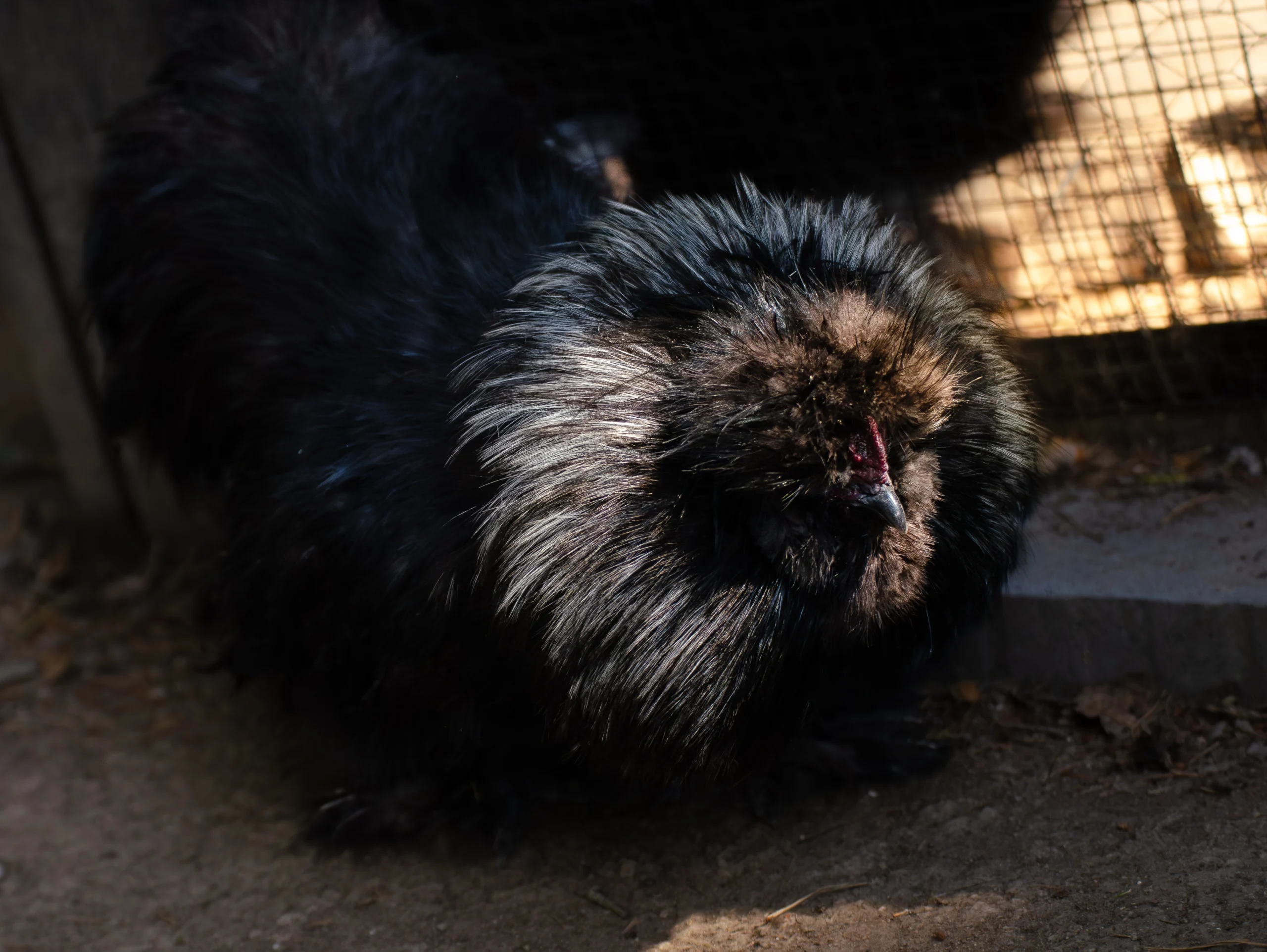
Move #1: The Challenge
The rooster initiating the challenge will often flap his wings vigorously and may let out a loud crow. It’s his way of saying, “I’m big, and I’m dangerous.”
The challenged rooster responds almost immediately by charging forward, and within seconds, the fight erupts into a whirlwind of feathers, beaks, and spurs. Your first instinct may be to separate them, but in most cases, they’ll simply resume fighting as soon as you walk away. It’s often better to let them establish the pecking order while you remain nearby to supervise.
If the fight ends quickly, there will be a clear winner and a clear loser. This type of confrontation usually establishes the hierarchy, with the defeated rooster retreating. The winner may chase him briefly to reinforce his dominance, but should not continue seeking further conflict afterward.
Should You Intervene?
Whether you should step in depends on how the roosters are fighting. It’s important to recognize the difference between normal dominance disputes and fights that could result in serious injury or death.
A typical fight lasts around 15–20 minutes. If one rooster appears to be losing, the dominant rooster’s behavior afterward will determine whether they can continue living together peacefully.
If the stronger rooster continues to chase or injure the weaker one, it’s a clear sign that the coop is too small for them to coexist.
If both roosters continue fighting until they begin to show signs of exhaustion, it’s a good idea to separate them.
How Should You Separate Fighting Roosters?
With small bantam roosters, you can usually just pick one of them up. Larger breeds, however, can cause serious injuries. They may be “just chickens,” but they can strike surprisingly hard.
One method you can try is gently splashing a little water on them. This can interrupt the fight long enough for you to safely pick up one of the roosters. He may still try to bite or peck at you, but this behavior usually stops once he’s removed from the “fight zone.”
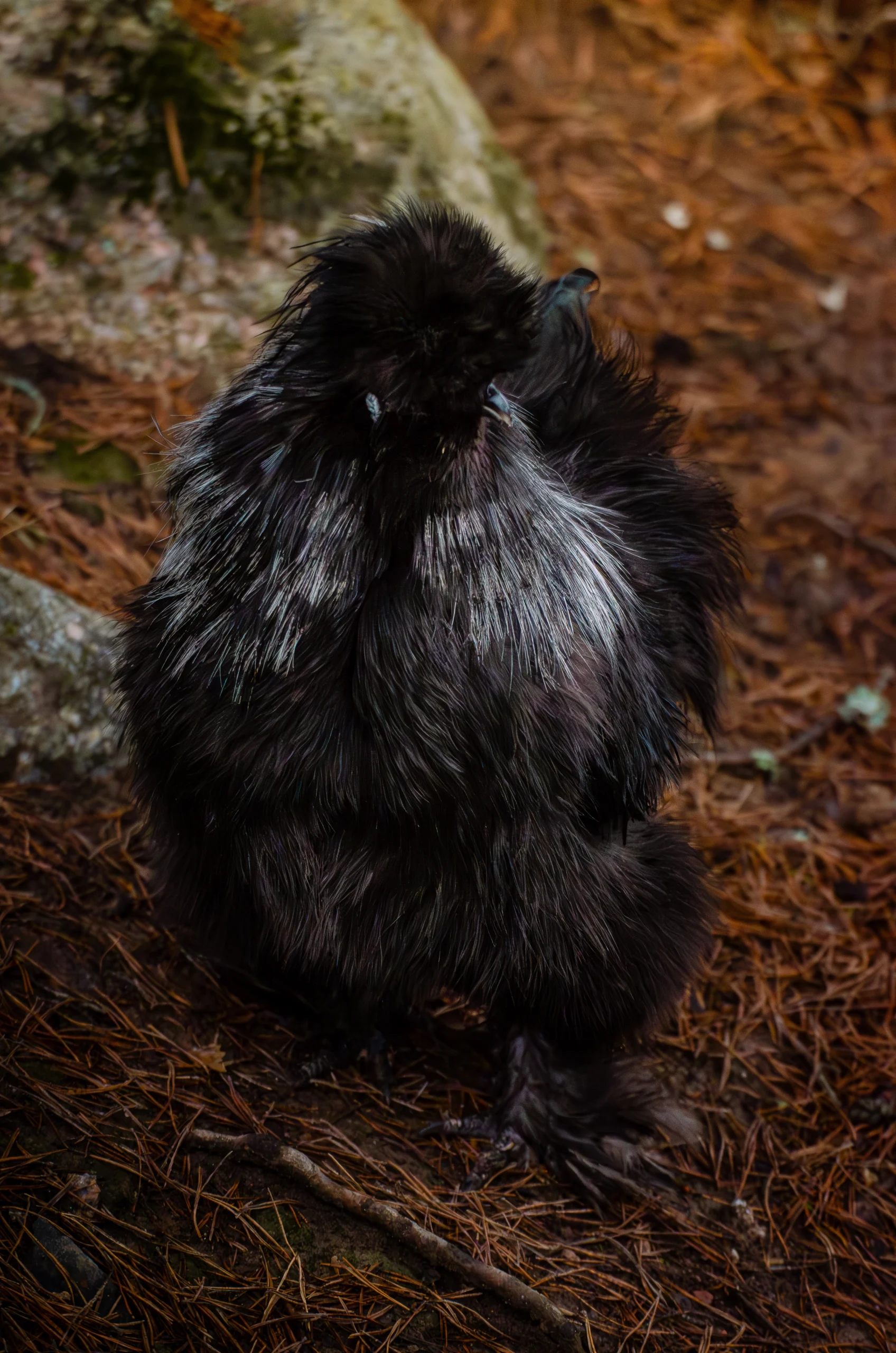
Blood and Injuries
There will likely be a significant amount of blood on both roosters, most of it around the face. Be sure to clean all wounds thoroughly. Use sterile saline solution followed by an antibacterial spray to help prevent infection.
They will probably have lost many feathers and, in some cases, even a spur. Rooster spurs contain large blood vessels and can bleed heavily if damaged. You can use a styptic powder or an alum stick to help stop the bleeding.
If either rooster has an eye injury that appears to have penetrated the eyeball, seek veterinary care immediately. Eye injuries can easily lead to blindness or serious infections that may cause permanent damage.
After a fight, both roosters will be exhausted. Keep them separated so they have time to calm down and begin recovering. Provide fresh water and food to help them regain their strength.