
It is only when we suffer a small wound or our immune system is compromised that they become a threat. I learned the hard way that these silent killers are far more common in our birds than many people realize.
Staphylococcus bacteria
Staphylococcus aureus
Staphylococci play an important role in helping both birds and humans develop resistance to other diseases. These bacteria are naturally found on the skin and mucous membranes. However, if they gain entry into the body—for example through a wound—they can cause serious disease. Bumblefoot, one of the most common health problems in poultry, is a leading predisposing factor for staphylococcal infections.
Healthy birds are generally not affected by staphylococci. In most cases, affected individuals have an underlying condition or a weakened immune system that reduces the body’s ability to keep the bacteria under control.
The bacteria can also be transmitted from an infected bird during mating.
If staphylococci enter the bloodstream, the infection becomes life-threatening and may result in sepsis (blood poisoning).
The incubation period is typically 1–3 days, with progression to the acute form (sepsis) usually occurring within about one week. The chronic form, however, may take up to five weeks to develop.
The clinical signs of a staphylococcal infection can easily be mistaken for those of fowl cholera, as the two diseases share many similarities. During a post-mortem examination, digestive fluid may be present in the gastrointestinal tract, and the liver may appear enlarged and darkened.
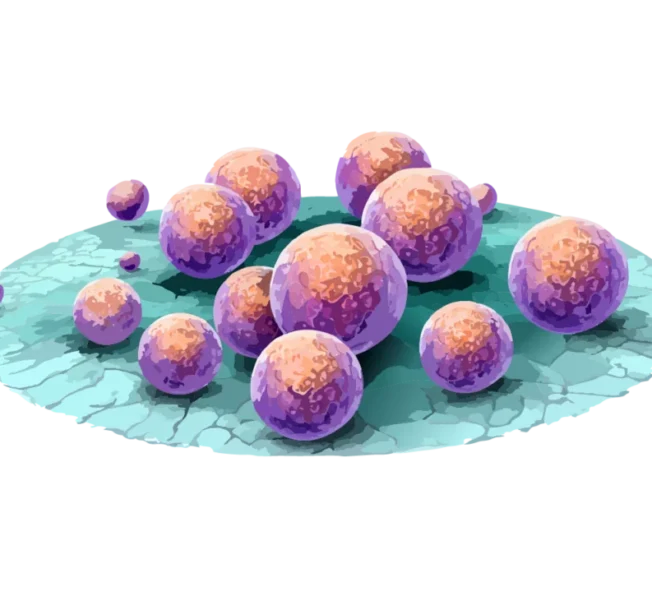


Aspergillosis
Aspergillus
A fungus that thrives on decaying organic matter surrounds us every day. It is so common in both our birds’ environment and our own that it is nearly impossible to completely prevent or eliminate.
Aspergillosis is most commonly caused by Aspergillus fumigatus, but other species of Aspergillus can also be responsible.
Both birds and humans can become ill after inhaling spores from contaminated bedding or other decaying organic material. However, the disease rarely affects healthy individuals with a strong immune system. It is when the immune system is weakened that the fungus becomes dangerous. It causes pneumonia, which can be fatal without prompt and appropriate treatment. Aspergillosis can be difficult to diagnose because symptoms often develop slowly, and by the time they become noticeable, the infection may have already been present in the body for an extended period.
In embryos, the infection can sometimes be detected while still inside the egg. During candling, an infected egg may have a greenish appearance due to Aspergillus growth. Newly hatched chicks may show signs such as difficulty breathing, swollen eyes with yellowish discharge, and discharge from the eyes and nostrils.
There are two forms of aspergillosis:
Acute aspergillosis (also known as brooder pneumonia) is the most common form. It has an incubation period of 2–5 days and a mortality rate of approximately 10%.
Chronic aspergillosis (also known as bronchomycosis) is less common. It develops over several months before clinical signs appear and has a lower mortality rate of around 5%.
Aspergillosis is not spread directly from bird to bird.
Why does aspergillosis occur?
Spores of Aspergillus fumigatus and related fungi are naturally present in the environment of birds and poultry. They thrive especially well in damp conditions, such as around feed dispensers, water containers, and even inside these areas when moisture and organic material accumulate.
How can it be prevented?
In cases of recurring aspergillosis, ventilation should be evaluated and improved if necessary. Maintaining a dry environment is essential. Water containers and feeding stations should be cleaned and disinfected regularly (a 1% Virkon solution is highly effective).
Aspergillosis does not have a true cure, but it can sometimes be managed with antifungal medications. However, these drugs can place significant stress on the body, may be toxic, and are associated with numerous side effects. Any decision regarding treatment should therefore always involve careful consideration of the potential benefits and risks. Unfortunately, there are currently no antifungal medications specifically developed for birds that are both effective and safe.
During a post-mortem examination, findings commonly include fungal growth in the trachea, fluid accumulation in the abdominal cavity (ascites), and firm, cheese-like nodules in the lungs and air sacs. The lungs often show a grayish-yellow discoloration.

E coli
Escherichia coli
Also known as colibacillosis (coliform infection)
The clinical presentation can vary greatly and is often complex. A bird’s susceptibility depends on several factors, including the bacterial strain involved, as well as the bird’s age and overall health status.
Possible signs include:
-
Sepsis (blood poisoning)
-
Inflammation of the air sacs (airsacculitis)
-
Inflammation of the pericardium, the sac surrounding the heart (pericarditis)
-
Blindness in one eye while the bird otherwise appears healthy
-
Swollen leg joints containing yellowish fluid
-
Yellow, watery droppings
-
Laying hens may stand upright with an abnormal posture and often die within six months (egg yolk peritonitis)
In different age groups:
Newly hatched chicks:
Death may occur within six days, often accompanied by a swollen navel and a foul-smelling infection.
Growing birds:
Lameness, lethargy, fever, and swollen joints may occur.
Similar to staphylococcal infections, E. coli requires an entry point to cause serious systemic disease. The most common routes of entry include:
-
The respiratory tract
-
Skin wounds
-
The cloaca
-
Mucous membranes of the gastrointestinal tract
The bacterium can cause a wide range of symptoms on its own but is also frequently found in combination with other infections, such as respiratory diseases, infectious bronchitis, infectious synovitis, or Newcastle disease. The severity of colibacillosis can range from acute to mild or chronic forms.


Why does colibacillosis occur?
E. coli is naturally present in the environment of birds and usually only causes disease in individuals with weakened immune systems or as a secondary infection following another illness. Birds are most commonly infected through reservoirs such as feces, contaminated soil, water, or feed. Transmission may occur directly from flock mates, but infection can also originate from wild birds, mammals, beetles, or even common house flies.
How can colibacillosis be prevented?
-
Maintain good hygiene and proper ventilation.
-
Clean and disinfect water containers and feeding equipment regularly.
-
Prevent rodents and other pests from accessing feed and poultry housing areas.
Treatment
Colibacillosis can be difficult to treat. Infected birds should be kept in a clean, warm environment, provided with a high-protein diet, and given vitamin E supplementation. Antibiotics may be effective if administered early in the course of the disease.