Here’s a list of things you can use and steps you can take to help keep your feathered friends safe from everything that wants to eat them.
I’ve divided them into deterrents for when your birds are free-ranging and protective measures for creating a secure enclosure.Keep in mind that movable deterrents need to be repositioned regularly. Predators quickly learn that if they stay in the same place, they pose no real threat.
Predator Deterrents for Your Yard
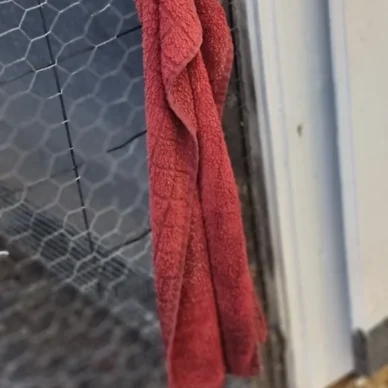
Strong-Smelling Rags
Most predators have a keen sense of smell and tend to avoid strong odors. Take an old towel, T-shirt, sock, or similar piece of fabric and soak it in something with a strong scent. Vinegar is a good option, and perfumes can create the impression that people are nearby.
You can also buy commercial predator repellents, such as bottled mink repellent, but you can often achieve a similar effect using common household products.
Nets and Lines
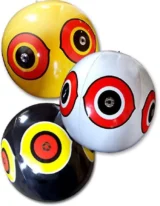
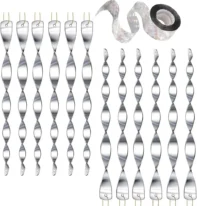
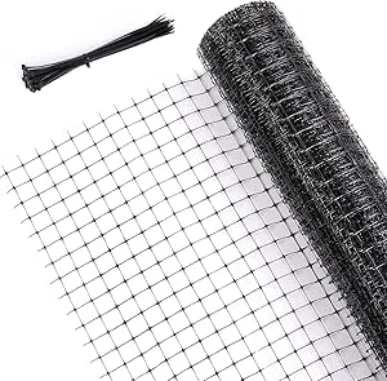
I’m not referring to ordinary wire mesh. If your free-ranging area is suitable, you can cover it with bird netting or berry netting. This makes birds of prey feel that the area is unsafe to land in, and if they do attempt to land, they may become entangled.
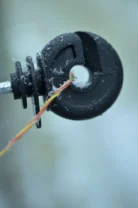
Another popular method is to stretch fishing line across the area. This creates a similar visual barrier and can discourage or slow down attacking birds of prey.
IMPORTANT: If a wild bird becomes tangled, you should be able to remove the net quickly and release it safely. If you use fishing line, make sure it is kept tightly tensioned so it cannot come loose and injure your own birds. In general, thicker netting or cord is safer for wild birds than thin fishing line, which is much harder for them to see.
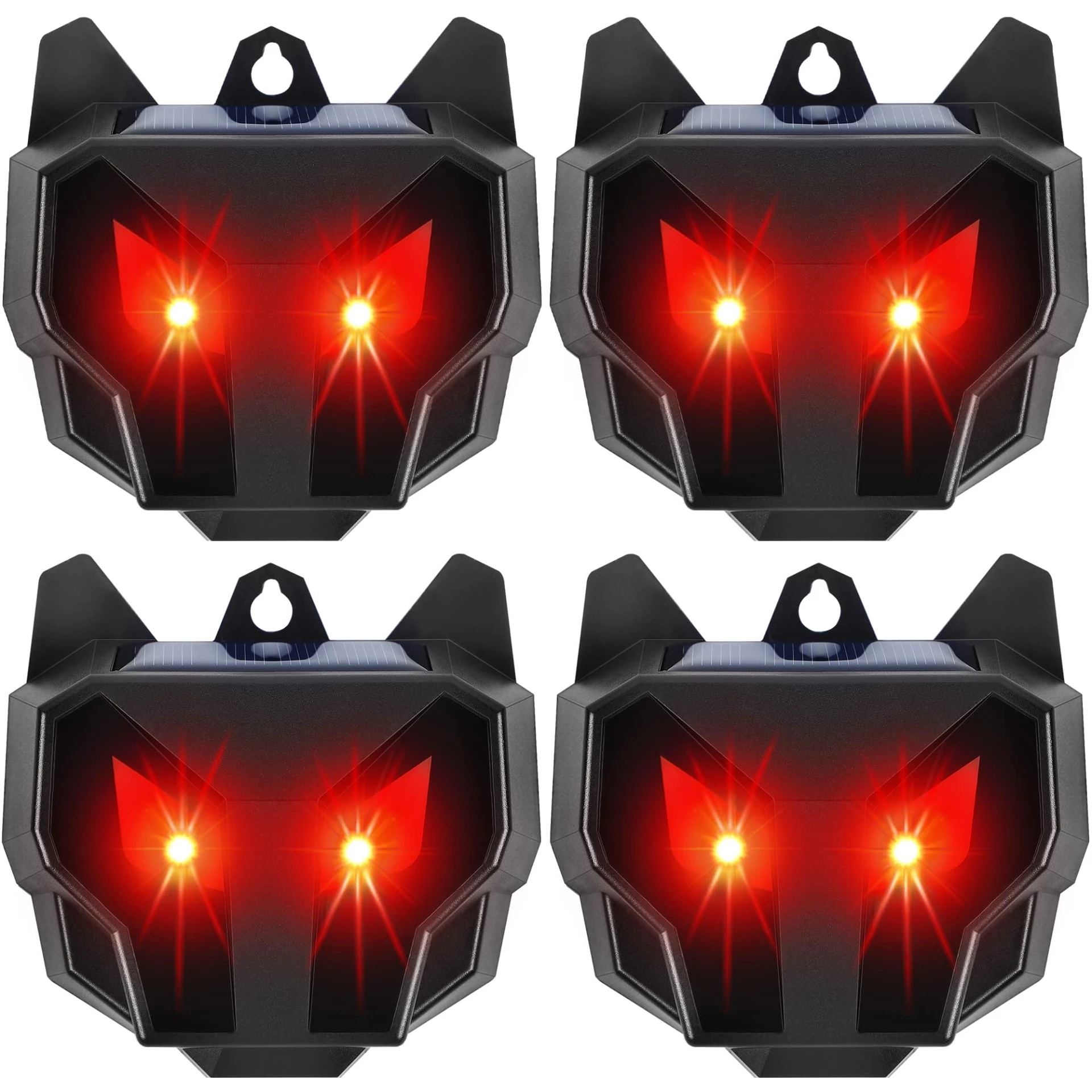
Motion-Activated Spotlights
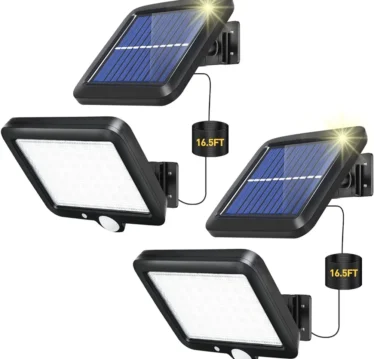
Imagine you’re a predator quietly stalking your prey when suddenly—BAM!—a bright light turns on. That’s exactly how motion-activated spotlights help deter predators.
Many models are solar-powered, making them easy to install almost anywhere without the need for electrical wiring.
Other Animals That Help Deter Predators
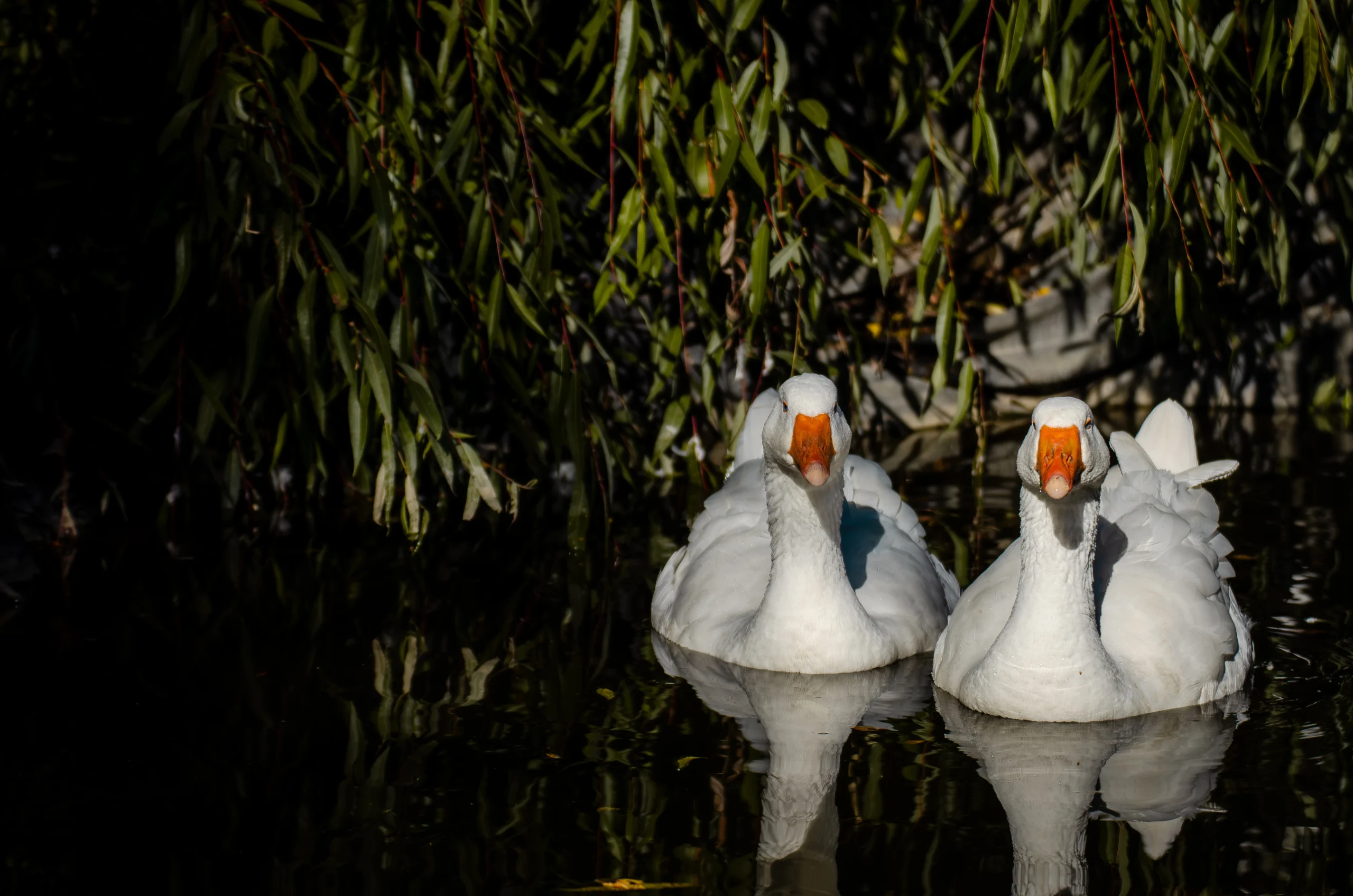
Geese, Guinea Fowl, and Turkeys
These birds are loud and have excellent guarding instincts. While predators may still attempt an attack, one or more of these birds will often sound the alarm and warn the rest of the flock.
Many predators also prefer to avoid the hassle of confronting a large, aggressive bird such as a goose.
Dogs, Alpacas, and Donkeys
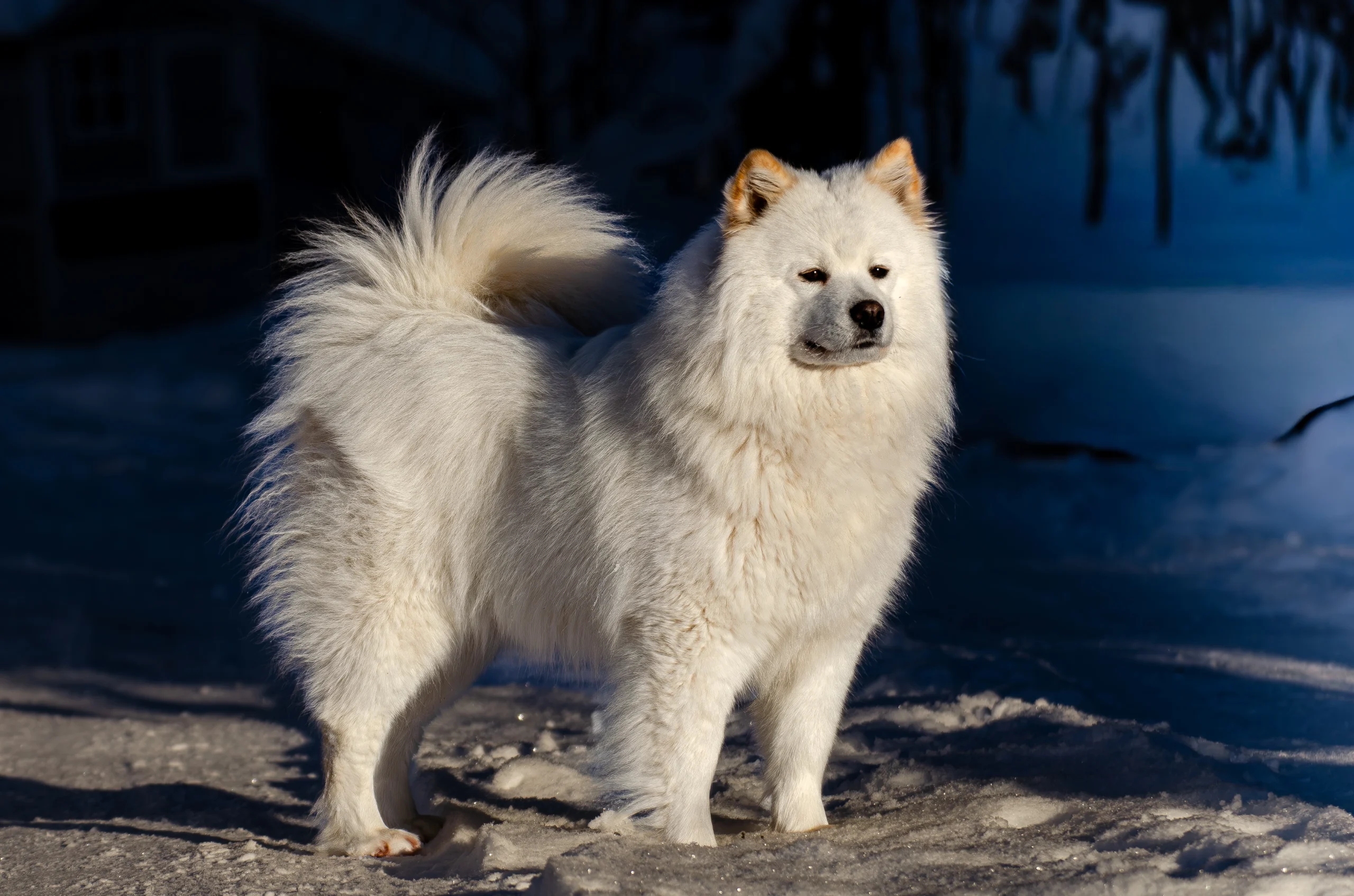
Dogs are one of the best forms of predator protection you can have. Other livestock guardian animals, such as alpacas and donkeys, also have strong protective instincts and will often defend the animals they consider part of their herd or flock.
Cats
Cats are unlikely to take on large predators themselves, but they help by controlling one of the main things that attracts predators in the first place: mice and rats. Keeping rodent populations under control can make your property less appealing to predators.
There have also been occasional reports of cats successfully killing smaller predators, such as minks, although this should be considered the exception rather than something to rely on.

Build a “Fort Knox” for Your Flock
Hardware Cloth – Not Chicken Wire
This is one of the most common mistakes people make. Despite its name, chicken wire is designed to keep chickens in—not predators out.
You can tear chicken wire apart with your bare hands, and many predators can do the same. Using chicken wire as predator protection is like serving your birds on a silver platter.
Depending on where you live, hardware cloth may also be sold under names such as:
-
Welded wire mesh
-
Galvanized steel mesh
-
Welded mesh
-
Stucco mesh (some heavier-duty types)
-
Reinforcing mesh for plaster or stucco
Always choose a strong, welded wire mesh with openings that are small enough to keep predators out.
Use Predator-Proof Latches
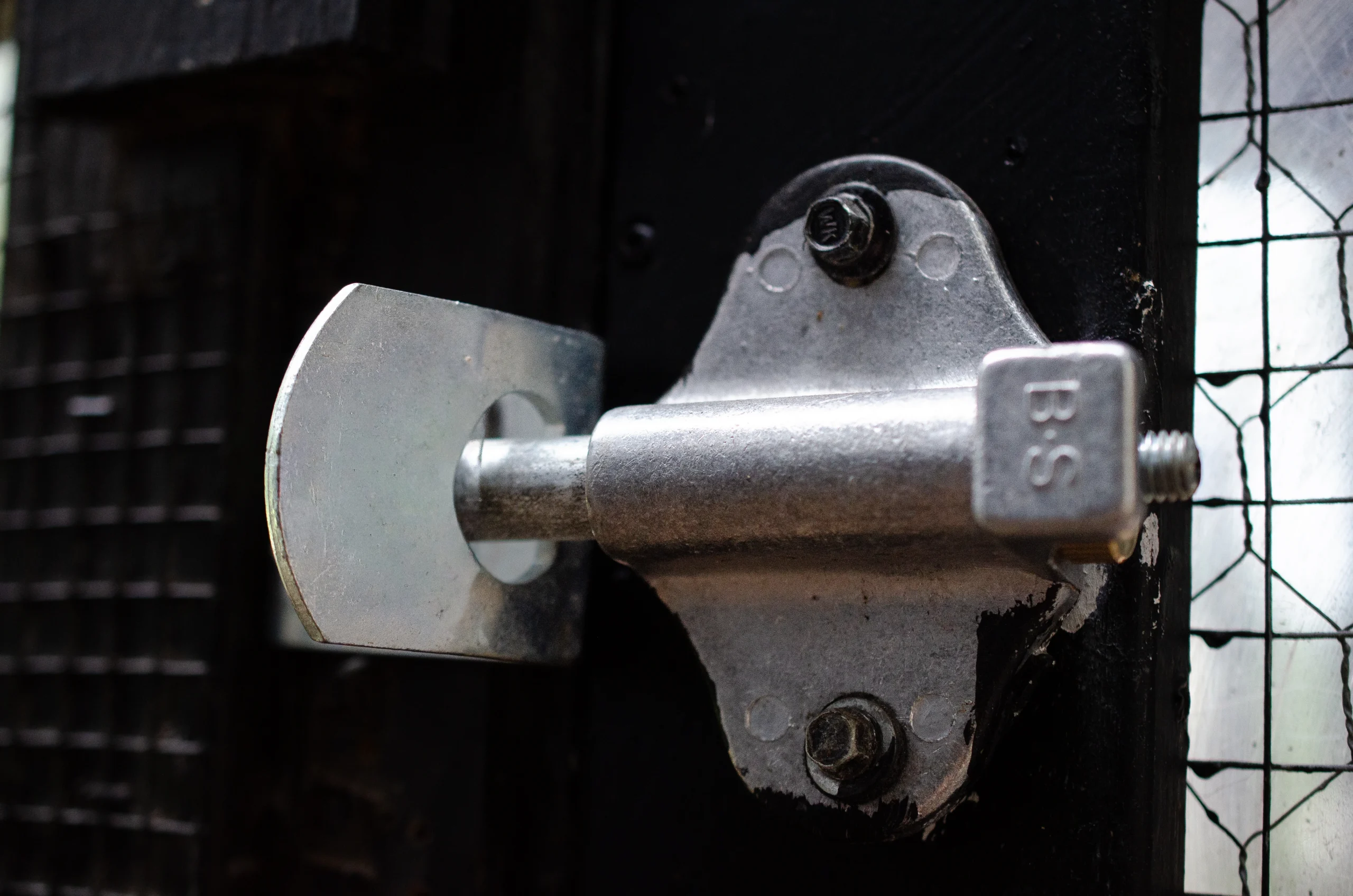
Don’t underestimate how clever predators can be. Simple latches are surprisingly easy for animals such as raccoons to open.
Instead, choose predator-resistant latches or childproof locking mechanisms that require two separate actions to open.
Make It Dig-Proof
Foxes and other predators often try to dig their way into a poultry enclosure. There are several effective ways to prevent this:
-
Bury hardware cloth around the perimeter of the enclosure and cover it with soil.
-
Place concrete blocks, paving stones, or large rocks around the outside of the run.
-
Install hardware cloth beneath the floor of the enclosure, attach it securely to the walls, and cover it with soil, sand, or bedding.
Watch Out for Small Openings
Even tiny gaps can be enough for a predator to get inside.
A mink or stoat can squeeze through an opening about the size of a large coin, while a rat can fit through a hole as small as 20 mm (¾ inch).