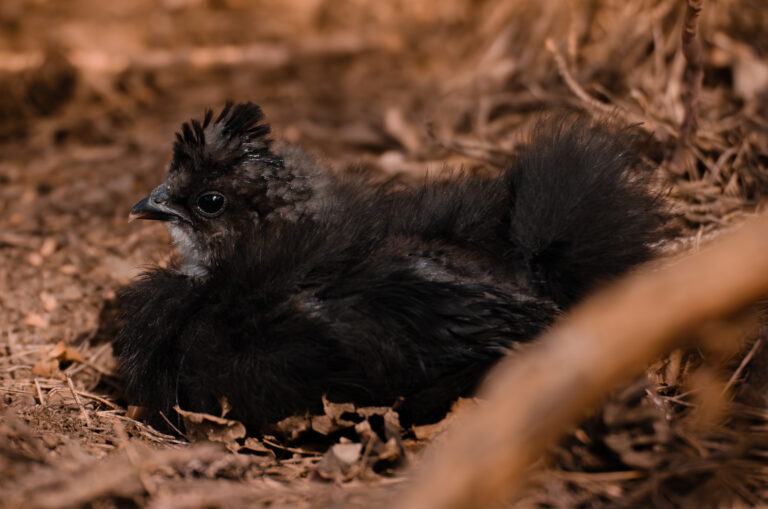
There are many myths about poultry—advice that is often repeated without being questioned. On this page, we take a closer look at three common myths and uncover what is actually true, based on facts, experience, and the real needs of the animals.

Myth #1: Apple Cider Vinegar (ACV)
Apple cider vinegar is a popular trend in the backyard chicken community and is known for its supposed “miraculous” healing properties. It is claimed to boost the immune system, fight disease, increase mucus production, act as a dewormer, and stop diarrhea.
The ACV trend began when antibiotic-resistant bacteria started emerging in agriculture. People began looking for alternatives to antibiotics, and this was when the supposed benefits of ACV first gained attention.
The trend has continued for many years and is now common among backyard flocks. But with popularity comes misinformation. Many people claim that they have never had a sick chicken or problems with parasites while using ACV—but the same can be said by those who do not use it and still have healthy birds. ACV is not a miracle cure.
Apple cider vinegar is often marketed as a natural remedy that supposedly improves the health of both humans and chickens. Common claims include that ACV improves digestion, reduces harmful bacteria in the gut, boosts the immune system, detoxifies the blood, and improves respiratory health in poultry.
The authors reviewed the available research to determine whether these claims are scientifically supported—both in humans and in chickens.
Results from Human Studies:
-
A small study involving 11 people found that ACV could slightly lower blood sugar levels, but the results are too limited to draw reliable conclusions.
-
Studies examining vinegar consumption have found both potentially positive and negative associations, such as a lower risk of esophageal cancer but a higher risk of bladder cancer.
-
Overall, the evidence is weak and sometimes contradictory.
Research in Poultry:
-
There are no direct studies investigating the effects of adding ACV to the drinking water of backyard chickens.
-
Some research has examined acids in drinking water (such as acetic acid), primarily in commercial broiler production.
-
Some studies have found reduced levels of Salmonella and Campylobacter before slaughter.
-
Other studies have found no effect at all.
-
-
The studies are often laboratory-based or conducted under conditions that do not reflect the everyday environment of backyard chickens, making the results difficult to apply in practice.


There Are Also Disadvantages to Using ACV:
-
It delays gastric emptying and creates a feeling of fullness. In sick birds, this can be significant because it may slow nutrient intake and absorption.
-
It can lower potassium levels in the body, which may lead to weak legs and heart problems.
-
Some birds drink less water because they dislike the taste. ACV has also been shown to have a corrosive effect on the skin and throat.
There is some specific research suggesting that ACV may be beneficial in certain situations, such as reducing harmful gut bacteria and preventing algae and bacterial growth in water containers. At the same time, just as many claims have been disproven—so why take the risk?
Today, probiotics specifically formulated for poultry are available and can provide many of the same benefits that ACV is claimed to offer.
It remains unclear whether ACV provides any health benefits for chickens, and it may potentially have negative effects as well. The broad health claims circulating online are considered greatly exaggerated and unsupported by scientific evidence. The available research primarily focuses on food safety before slaughter, rather than the long-term health of backyard flocks.
There are also good studies supporting the use of acidified copper sulfate for cleaning water containers. Personally, I clean mine daily with Virkon-S, which is approved for use in containers.
Myth #2: Natural Deworming
We often assume that “natural” is better than chemicals, but claims about naturally deworming birds can do more harm than good. There is no completely natural method that can effectively eliminate a worm infestation—proper medication is required to do so.
That said, you can support a bird’s gut health with natural supplements, such as pumpkin seeds. These may create an unfavorable environment for worms and can help reduce their numbers, but the effect is likely to be temporary.
It is always recommended to have a fecal test performed if you suspect worms. This helps determine what type of infection is present and is important because worms, like bacteria, are becoming increasingly resistant to medications. Unnecessary deworming contributes to the development of more resistant worms.
When one of my Silkie chickens tested positive for tapeworm eggs, I researched the most effective treatment for that particular type of worm. During treatment, I also supported her gut health with Verm-X Original to help flush out the eggs.